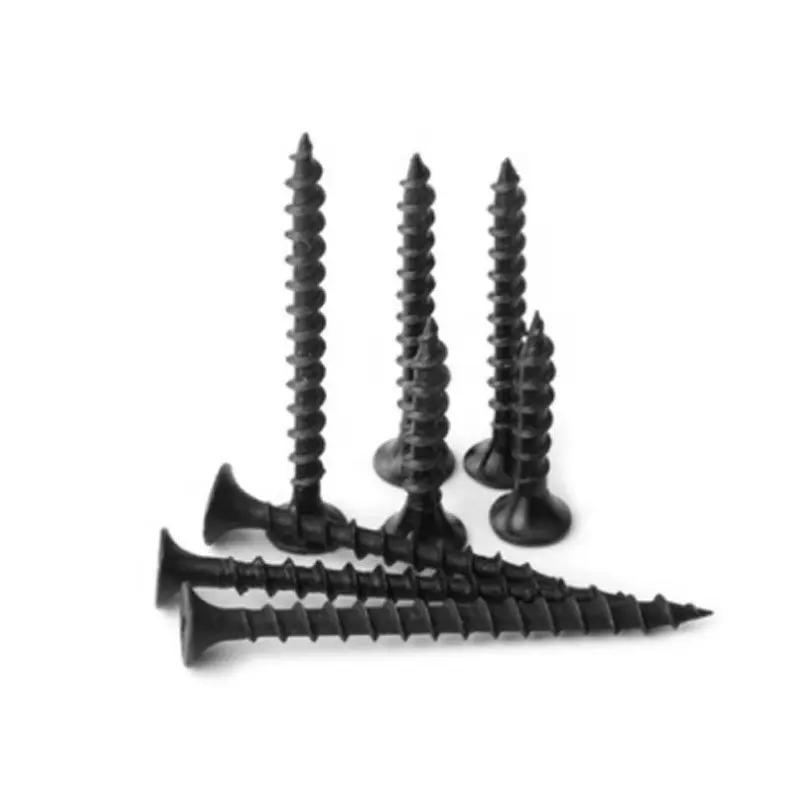
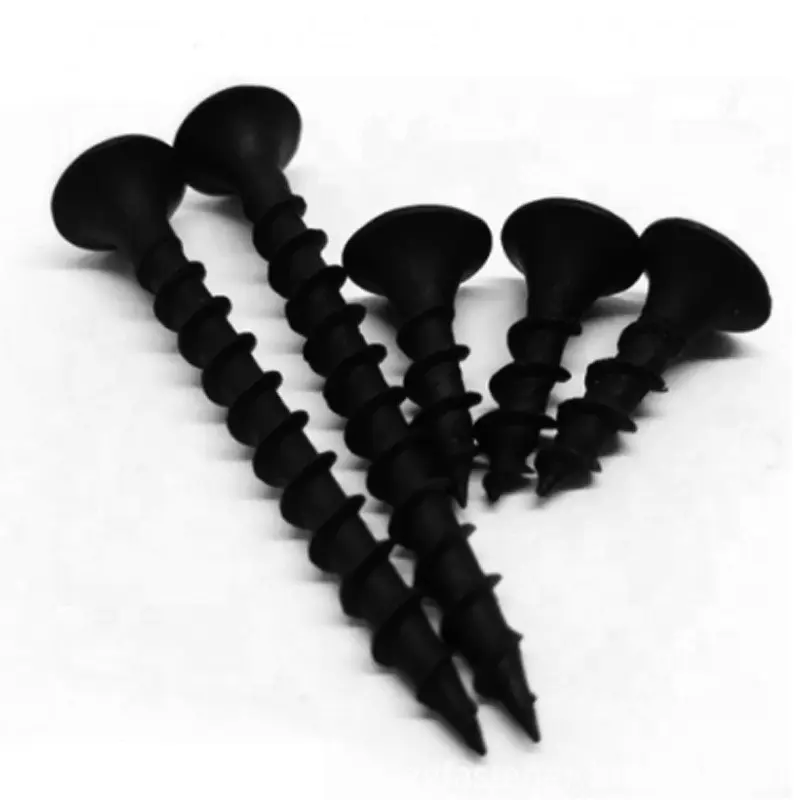
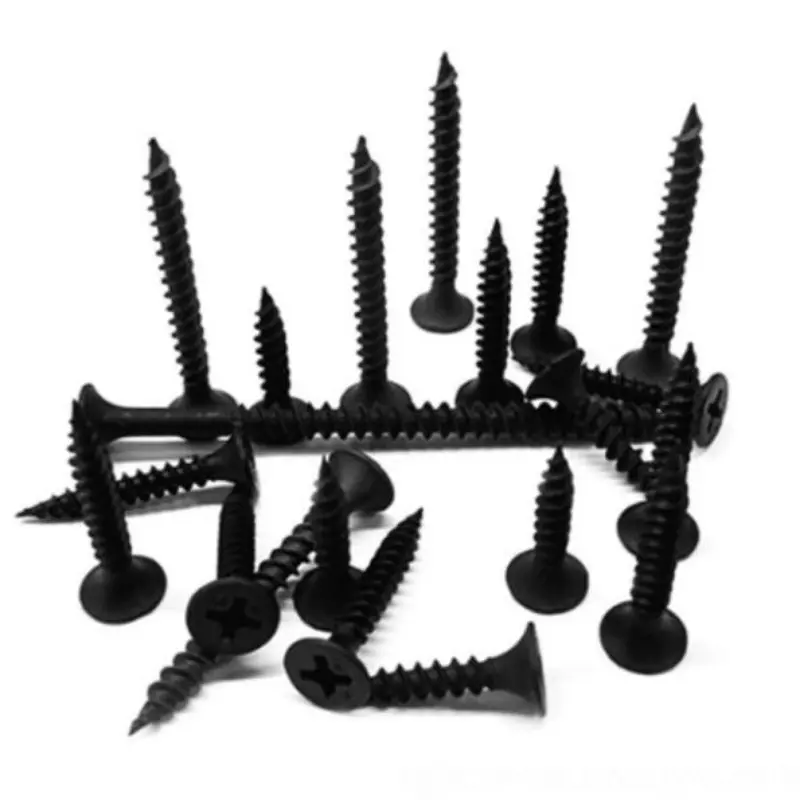
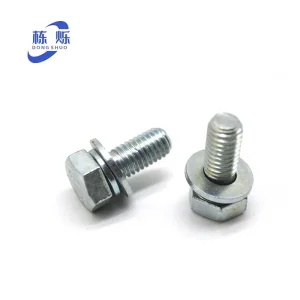
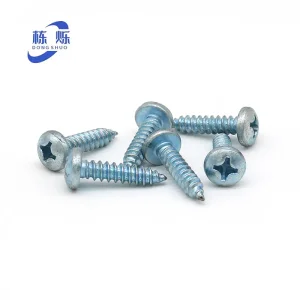
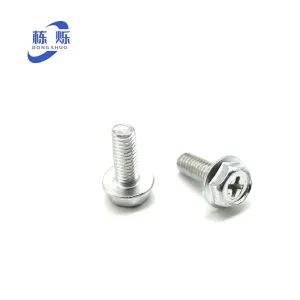
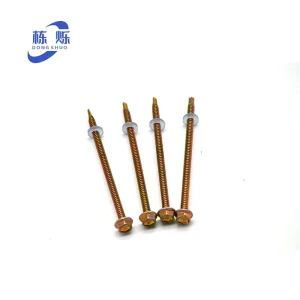
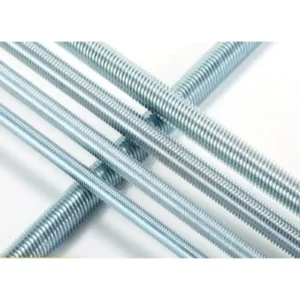
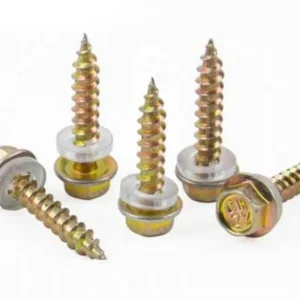
Self Drilling Screws are fasteners with built-in drilling capabilities, designed with a drill bit shaped tip that can directly penetrate materials such as metal, wood, and plastic without the need for pre-drilling. Rapid fixation is achieved through the interlocking of threads and substrates, which is widely used in fields such as construction, furniture, and mechanical manufacturing. It has the characteristics of high efficiency, time saving, and high strength.
Technical Parameters and Selection Guide
Material
Carbon steel (surface galvanized/phosphated), stainless steel (304/316, corrosion-resistant)
Diameter (mm)
Φ 2.5, Φ 3.5, Φ 4.2, Φ 5.0 (Substrate thickness dependent; metal sheets mostly use Φ 3.5-4.2)
Length (mm)
10-150mm (Ensures a minimum bite depth of 3-5mm after penetrating the substrate)
Thread Type
Single thread (high tensile strength), double thread (quick entry)
Head Type
Countersunk (flat installation), disc head (high pressure), hexagonal head (strong tool adaptability)
Surface Treatment
White zinc plating (rust prevention), phosphating black (wear-resistant), Dacromet (high corrosion resistance)
Frequently Asked Questions
What makes self-drilling screws different from self-tapping screws?
Self-drilling screws have a tip shaped like a drill bit, allowing them to create their own hole in one operation. Self-tapping screws generally require a pre-drilled pilot hole before they can tap their own threads.
Can these screws be used in heavy steel?
Yes, depending on the drill point size. Different self-drilling screws are rated for different thicknesses of metal. Ensure the drill point is long enough to penetrate the material before the threads start to engage.
Which material is better for outdoor use: Carbon Steel or Stainless Steel?
Stainless steel (304 or 316) is superior for outdoor or high-moisture environments due to its natural corrosion resistance. Carbon steel with Dacromet coating is also a high-performance option for corrosion resistance.
How do I choose the correct screw length?
The length should be chosen so that at least 3-5mm of the thread extends beyond the substrate material to ensure a secure bite and maximum holding strength.
What are the benefits of using a hexagonal head?
Hexagonal heads provide the best tool adaptability and torque transfer, making them ideal for heavy-duty applications and use with power drivers in construction.
Are self-drilling screws reusable?
While they can technically be removed and reinstalled, their drilling performance and thread integrity are highest during the first installation. For structural safety, new screws are usually recommended.
 Dongshuo