⚙️
How to Choose a Suitable Self Tapping Screw
🏗️
Select by Material
Select different self tapping screws based on the material characteristics that need to be nailed in. For example, for hard materials, choose self tapping screws with high strength, appropriate length and diameter.
🧵
According to Thread Selection
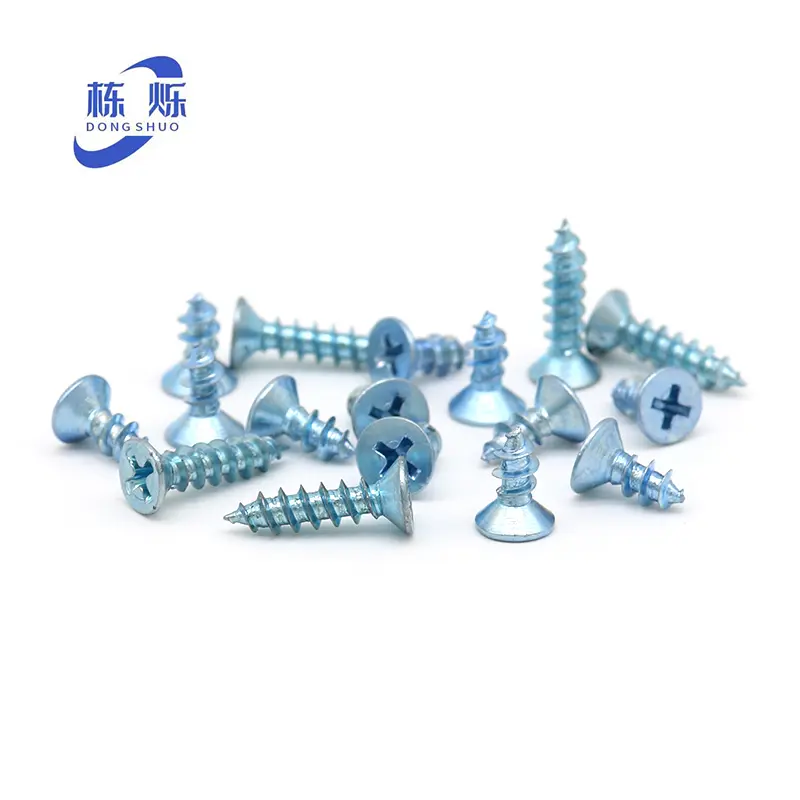
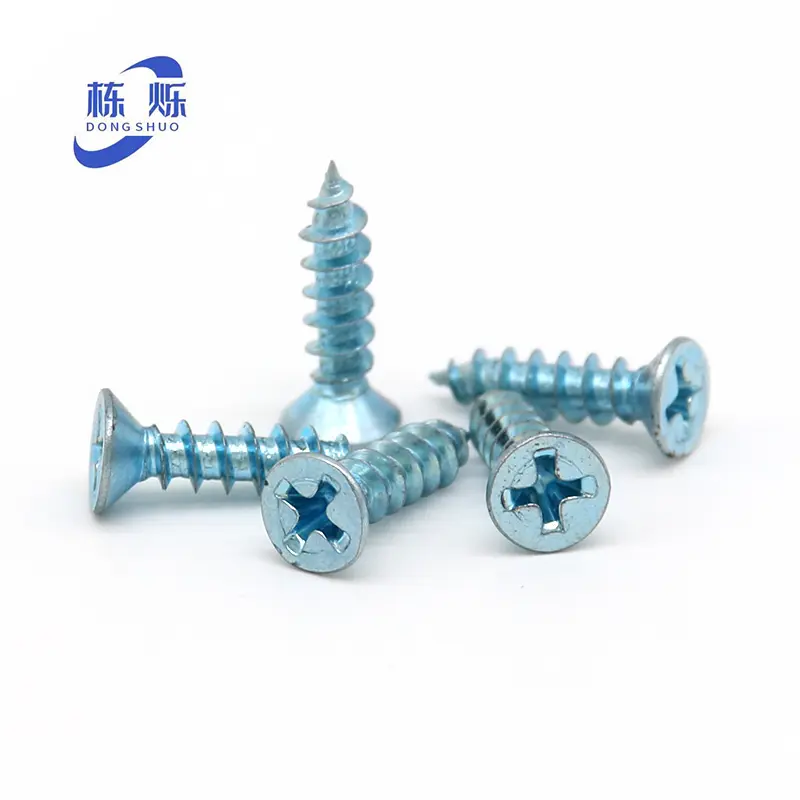
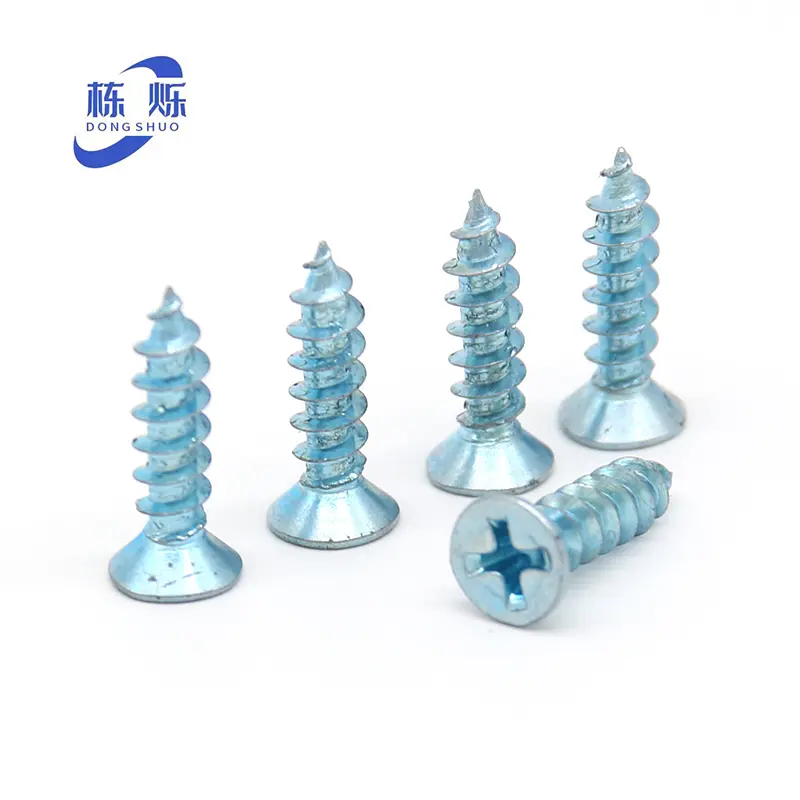
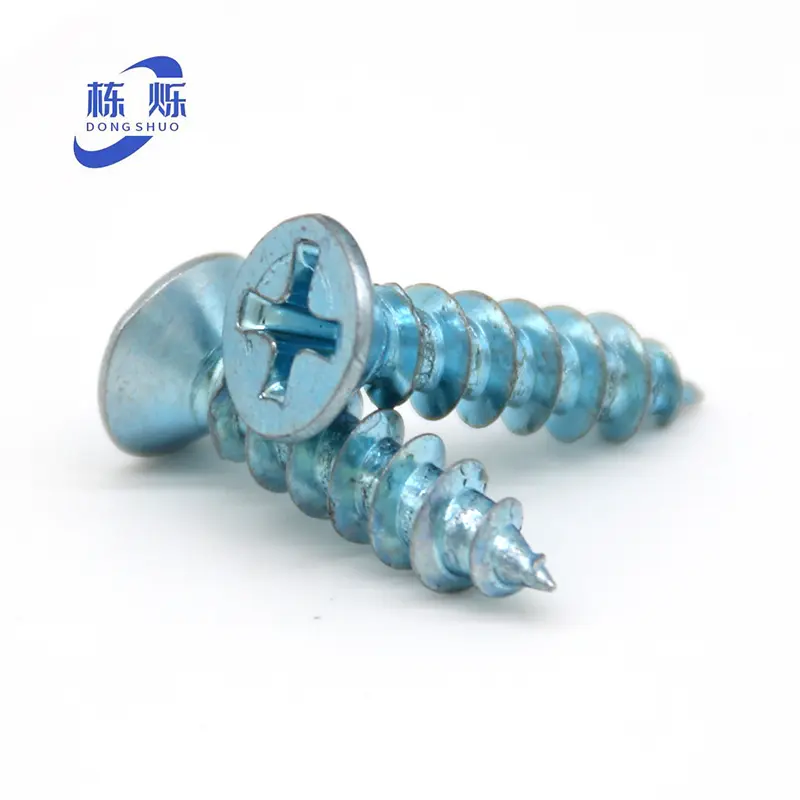
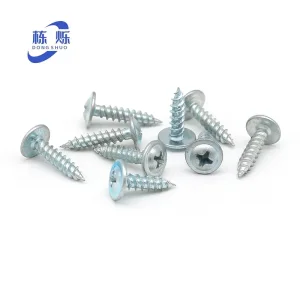
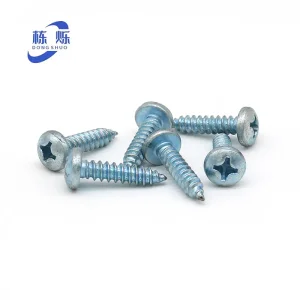
Self tapping screws usually have two types: coarse thread and fine thread, and different threads are usually suitable for different materials.
📐
Select According to the Shape of the Head
The pentagonal head self tapping screw is more sturdy than the ordinary round head self tapping screw, but the price is also relatively high.
❓
Frequently Asked Questions
What is the difference between coarse thread and fine thread self tapping screws?
Coarse thread self tapping screws have wider thread spacing and are ideal for softer materials such as wood and plastic, providing faster installation. Fine thread self tapping screws have narrower thread spacing and are better suited for harder or thinner materials, offering stronger holding power and precision.
What does "ST" stand for in self tapping screw specifications like ST4.2?
"ST" stands for "Self Tapping." The number following it (e.g., 4.2) indicates the nominal outer diameter of the screw thread in millimeters. This designation follows international standards and helps users identify the correct screw size for their application.
Why are galvanized self tapping screws recommended for outdoor use?
Galvanized self tapping screws are coated with a layer of zinc, which provides excellent corrosion and rust resistance. This makes them highly suitable for outdoor environments, humid conditions, or applications where the screws are exposed to moisture and weather elements over time.
What is the advantage of a countersunk head design in self tapping screws?
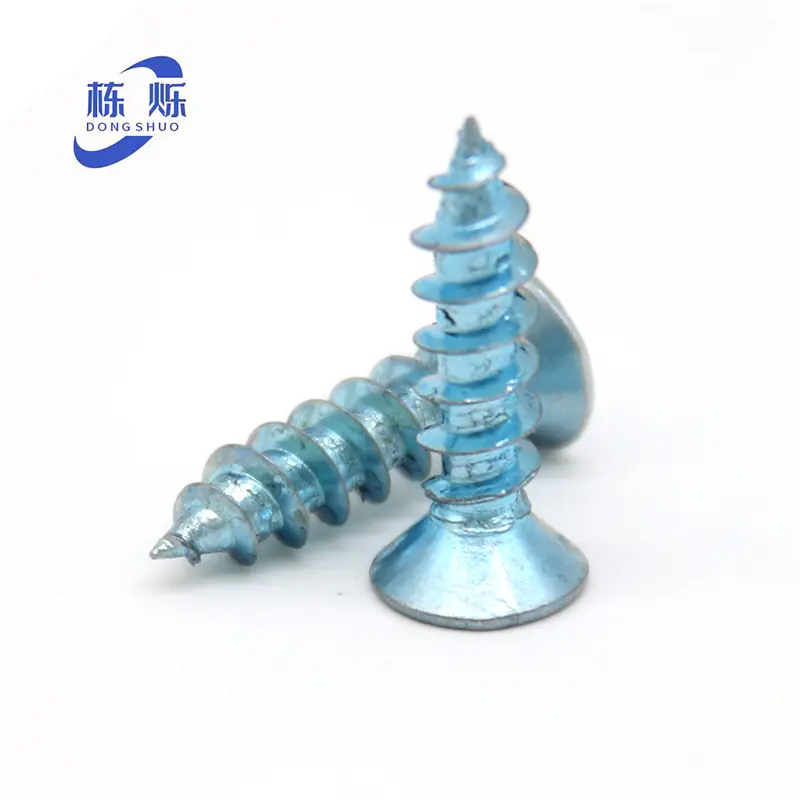
A countersunk head design allows the screw to sit flush with or below the surface of the material once fully driven in. This creates a smooth, clean finish that is especially important in applications where a protruding screw head would be undesirable, such as in furniture, cabinetry, or visible metal panels.
How do I determine the correct screw length for my application?
As a general rule, the screw should penetrate the base material by at least twice its diameter to ensure a secure hold. Consider the total thickness of all materials being joined, and choose a length that provides sufficient thread engagement without protruding excessively through the back of the material.
What is the difference between Type C, Type F, and Type R self tapping screws?
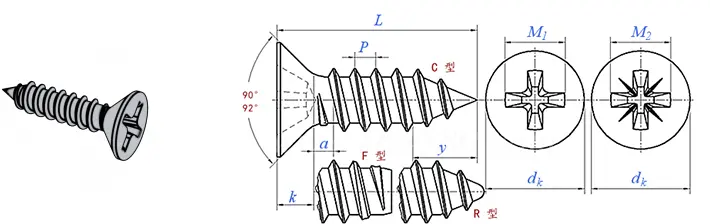
Type C, Type F, and Type R refer to different tip and thread designs of self tapping screws. Type C features a blunt tip with a cutting edge suitable for metal sheets. Type F has a sharp tapered tip for use in thin metal. Type R has a sharp point designed for use in harder materials, offering improved penetration and reduced splitting risk.
 Dongshuo