🛠️
Material Selection
Select appropriate materials according to environmental requirements, such as carbon steel or stainless steel.
📏
Thickness Control
Choose an appropriate thickness based on the required load and structural conditions of your application.
📐
Specifications
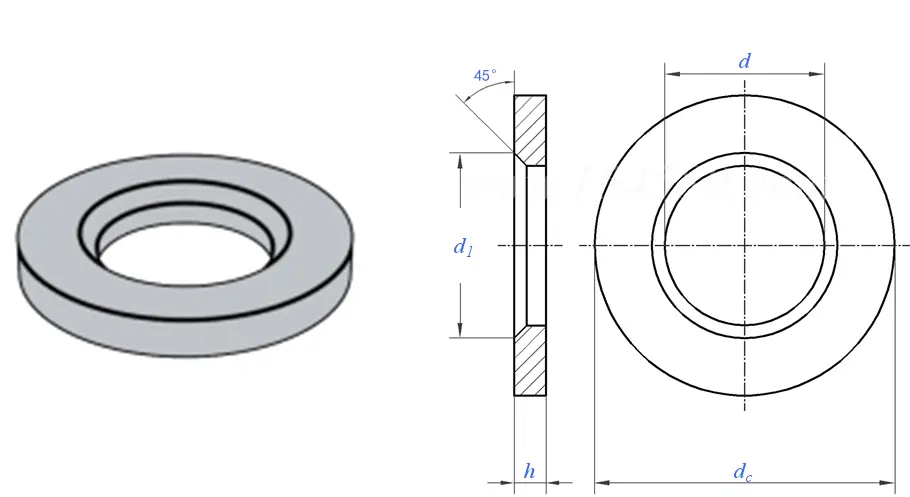
Pay close attention to inner diameter, outer diameter, and thickness to ensure compliance with actual requirements.
✅
Quality Assurance
Opt for products with reliable manufacturing processes to ensure long-term stability and durability.
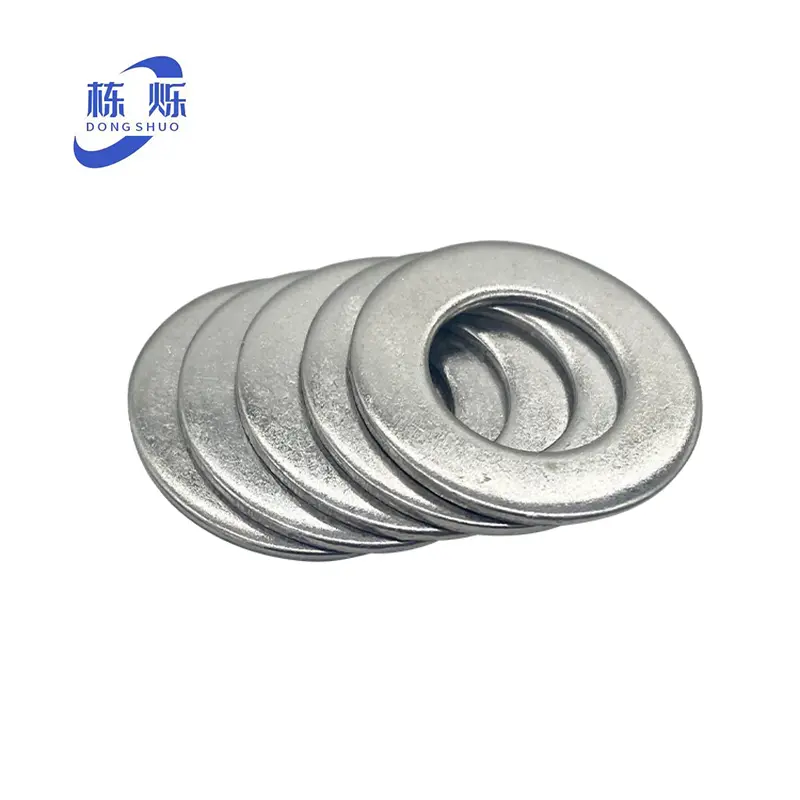
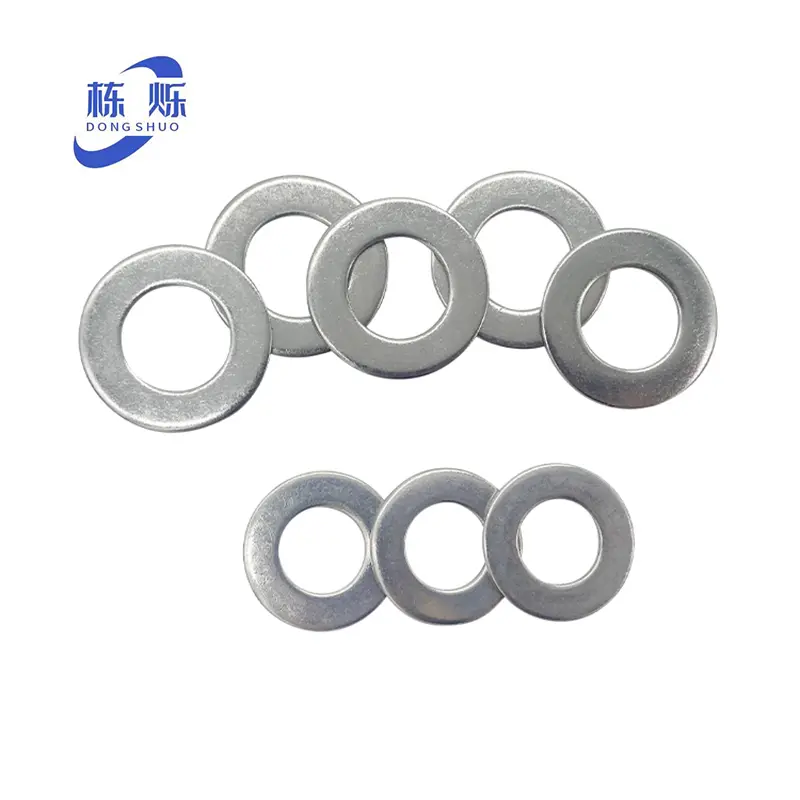
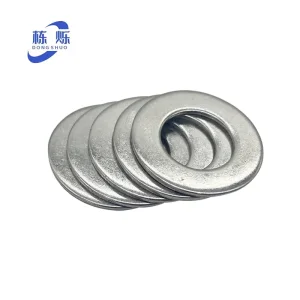
The international and domestic standards for galvanized flat pads are explained, along with the key points for selection. Galvanized flat washers, as a common fastener accessory, are widely used in the electromechanical equipment industry. When purchasing, consideration should be given to the specific requirements of the usage environment to ensure their effectiveness and safety.
❓ Frequently Asked Questions
What is a DIN 125 galvanized plain washer used for?
DIN 125 galvanized plain washers are used to distribute the load of a threaded fastener such as a bolt or nut. They are widely applied in electromechanical equipment, construction, and general industrial assembly to prevent surface damage and improve joint stability.
What does "galvanized" mean for flat washers?
Galvanized means the washer has been coated with a layer of zinc through a hot-dip or electroplating process. This zinc coating provides excellent corrosion resistance, making the washer suitable for outdoor, humid, or chemically exposed environments.
How do I choose the correct washer size for my bolt?
Match the washer's inner diameter (d) to your bolt size. For example, for an M16 bolt, select a washer with an inner diameter minimum of 17mm. Always refer to the specification table for the correct inner diameter (d), outer diameter (dc), and thickness (h) values.
What materials are galvanized flat washers available in?
Galvanized flat washers are commonly made from carbon steel with a zinc coating. For more demanding environments, stainless steel options with additional surface treatment are also available, offering higher corrosion resistance and strength.
What is the difference between DIN 125 and other washer standards?
DIN 125 is a German industrial standard that specifies the dimensions and tolerances for plain washers. Compared to other standards such as ISO 7089 or ANSI, DIN 125 washers may differ slightly in outer diameter, thickness, and tolerance ranges.
Can galvanized flat washers be used in high-temperature environments?
Standard galvanized flat washers are generally suitable for temperatures up to around 200°C. For high-temperature applications, it is recommended to use washers made from heat-resistant alloy steel or stainless steel, as the zinc coating may degrade at elevated temperatures.
 Dongshuo