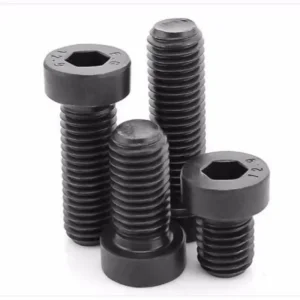
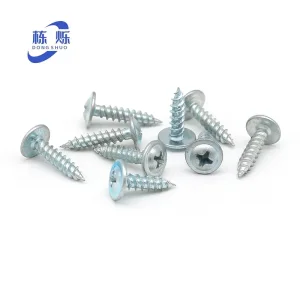
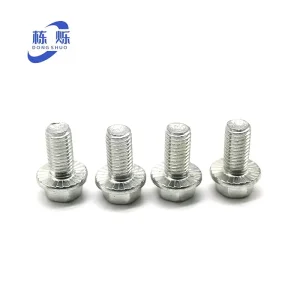
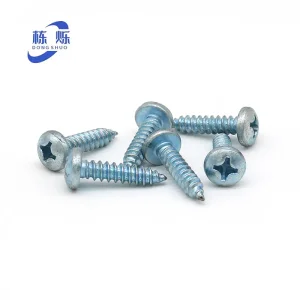
Definition and Basic Structure
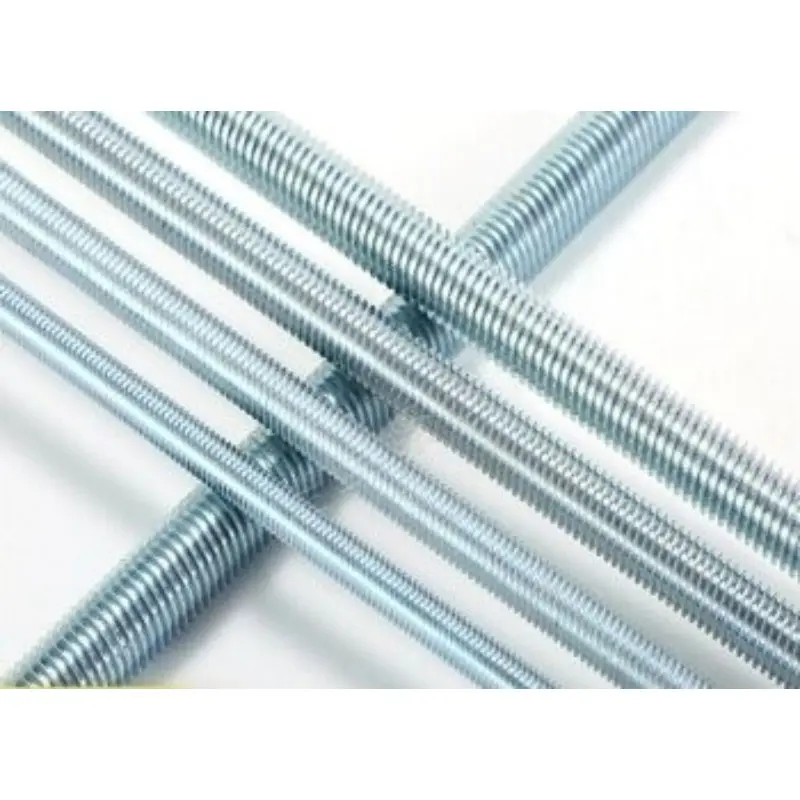
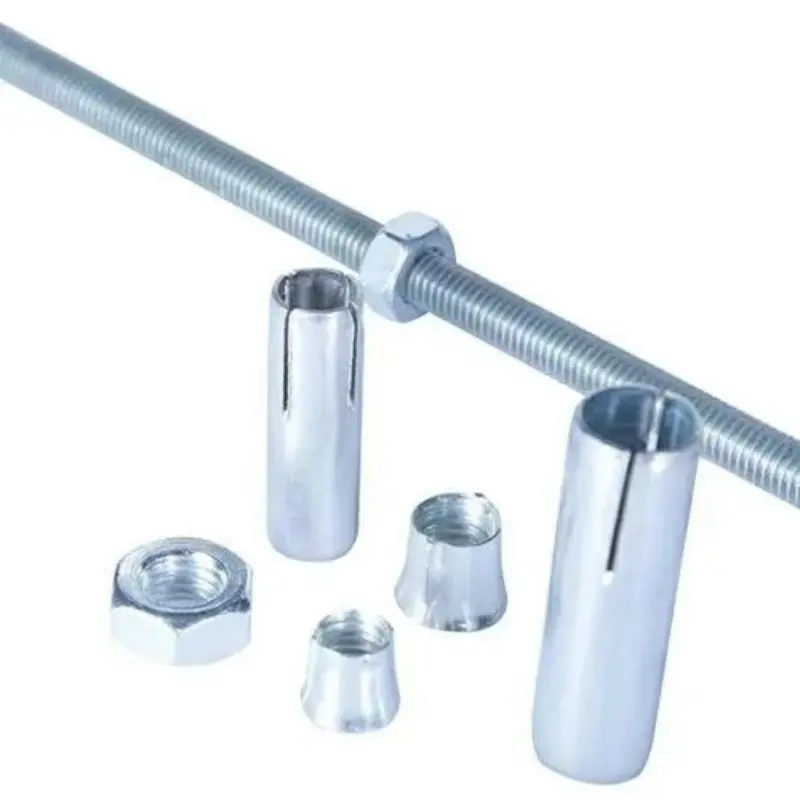
Definition: A galvanized screw is a transmission component coated with a zinc layer (via electroplating or hot-dip galvanizing). Its primary function is to convert rotational motion into precise linear motion while offering superior anti-corrosion protection.
🚀 Core Structural Components
⚙️
Base Material
Typically constructed from high-quality carbon steel (45# steel, 40Cr) or stainless steel for maximum durability.
🔩
Thread Type
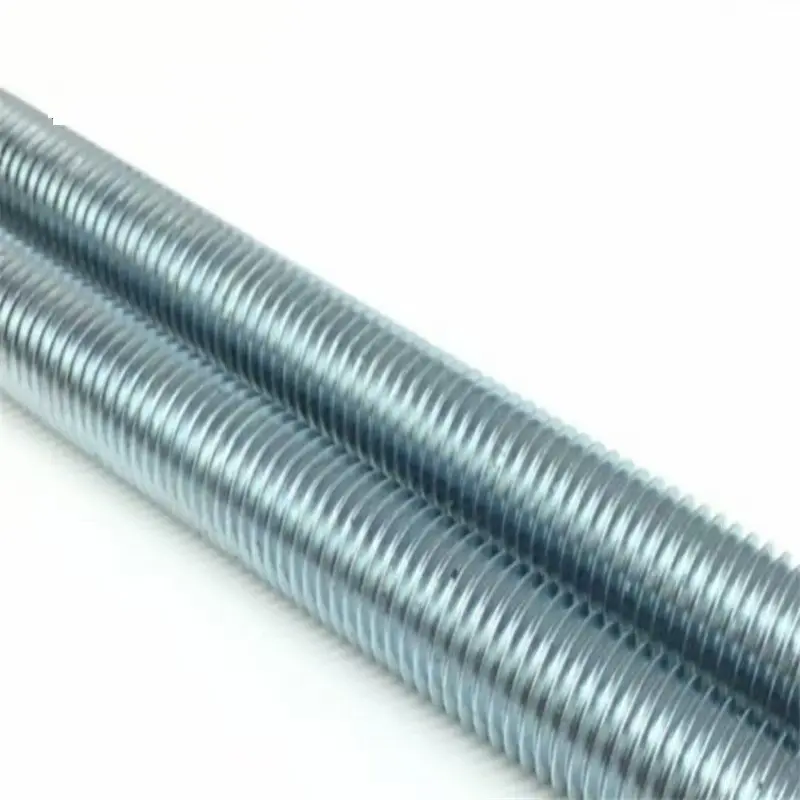
Available in trapezoidal threads (Tr type) or high-precision ball screws for specialized applications.
🛡️
Galvanizing Process
Features electroplated zinc for uniformity or hot-dip zinc for enhanced outdoor corrosion resistance.
Key Application Scenarios
🏗️
Outdoor Machinery: Ideal for construction and agricultural equipment frequently exposed to rain and soil.
🚢
Ship & Ocean Engineering: Used in deck lifting and valve control systems requiring high resistance to salt spray.
⚗️
Chemical Equipment: Perfect for transmission systems in reaction kettles and acid-alkali regulated environments.
🏢
Construction Industry: Common in automatic windows, doors, and lifting platforms for cost-effective rust prevention.
🍲
Food Processing: Meets strict hygiene standards with a smooth, rust-free surface for food-grade machinery.
Frequently Asked Questions
What is a galvanized screw rod and how does it work?
It is a transmission component with a protective zinc coating that converts rotation into linear motion. The coating ensures durability in outdoor, marine, and chemical environments.
What is the difference between electroplated and hot-dip zinc?
Electroplated zinc offers a thinner, uniform finish for precision parts. Hot-dip zinc provides a much thicker layer, offering superior long-term protection in harsh industrial settings.
What materials are typically used for these rods?
They are usually manufactured from carbon steel (like 45# or 40Cr) or stainless steel, followed by a galvanizing treatment to prevent oxidation.
Can galvanized screw rods be used in food processing?
Yes, they are suitable because they provide a smooth, rust-free surface that meets hygiene standards, though specific food-grade compliance should always be verified.
What thread types are available?
Common options include trapezoidal threads (Tr) for standard transmission and ball screw threads for high-precision, low-friction requirements.
Are they reliable for offshore applications?
Absolutely. The zinc coating is specifically designed to resist salt spray corrosion, making them ideal for marine lifting mechanisms and valve controls.
 Dongshuo