❓ Frequently Asked Questions
Q1 What is a galvanized screw and how does it differ from a standard screw?
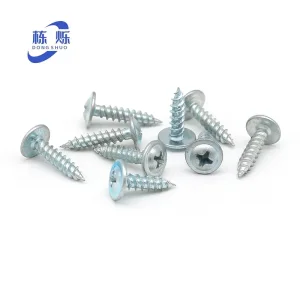
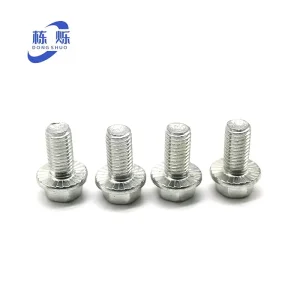
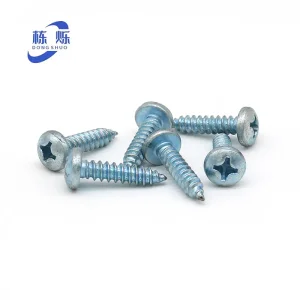
A galvanized screw is a standard screw that has been coated with a layer of zinc through either electroplating or hot-dip galvanizing. This zinc coating provides significant corrosion resistance compared to uncoated screws, making it suitable for outdoor, marine, and chemically demanding environments.
Q2 What is the difference between electroplated zinc and hot-dip zinc coatings?
Electroplated zinc produces a thin, uniform coating that offers a smooth finish and is ideal for precision applications. Hot-dip zinc creates a thicker coating with superior corrosion resistance, making it better suited for heavy-duty outdoor or industrial use where durability is the priority.
Q3 What base materials are commonly used for galvanized screws?
The most common base materials are carbon steel grades such as 45# steel and 40Cr, which offer good mechanical strength. Stainless steel is also used when higher corrosion resistance is needed even before the zinc coating is applied, particularly in food processing or medical applications.
Q4 Are galvanized screws suitable for use in marine environments?
Yes. Galvanized screws are widely used in ship and ocean engineering applications such as deck lifting mechanisms and valve controls. The zinc coating provides strong resistance to salt spray corrosion, which is essential in marine environments where standard steel components would degrade rapidly.
Q5 Can galvanized screws be used in food processing equipment?
Galvanized screws can be used in food processing environments provided they meet the relevant hygiene standards. They must have a smooth surface finish and present no risk of rust contamination. In some cases, specific food-grade certifications may be required.
Q6 What thread types are available for galvanized screws?
Galvanized screws are commonly available in trapezoidal thread (Tr type), which is widely used for general transmission applications. Ball screw threads are also available and are preferred in high-precision scenarios where minimal friction and greater accuracy are required.
 Dongshuo