Dongshuo
1 / 4
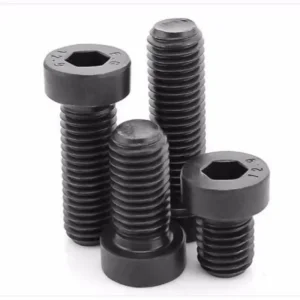
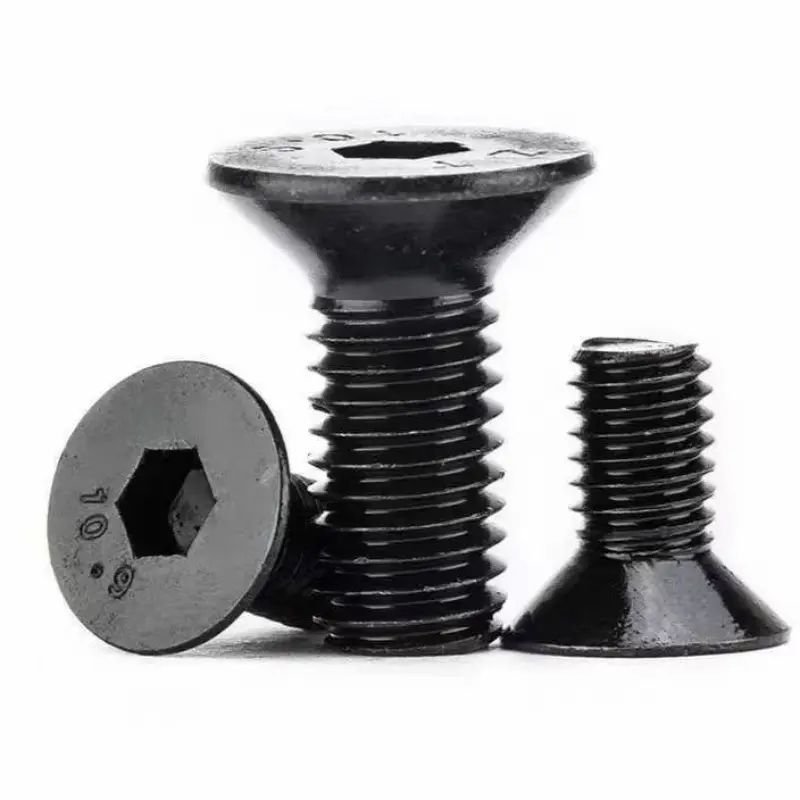
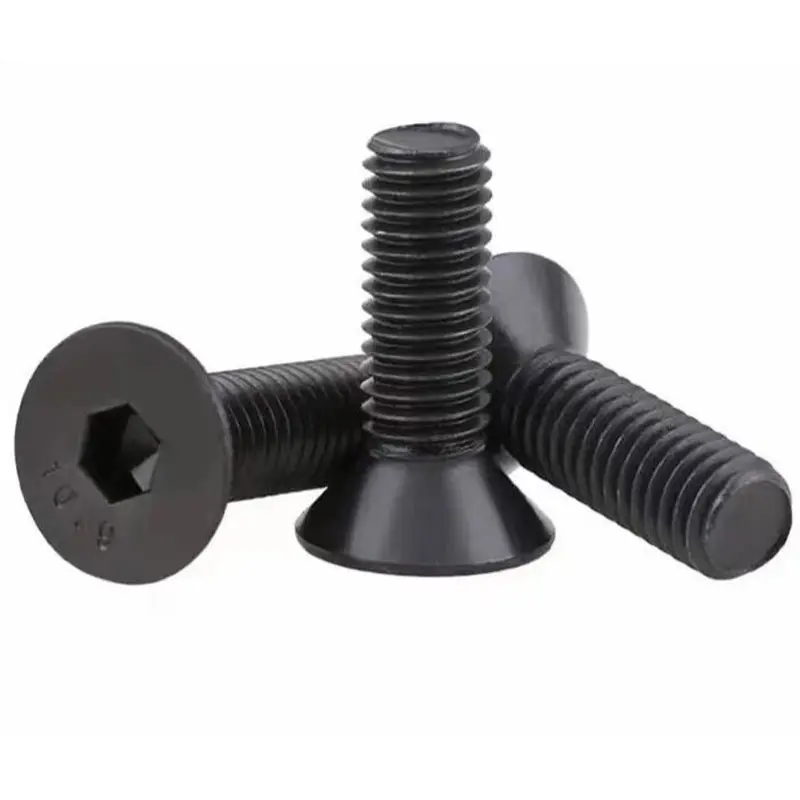
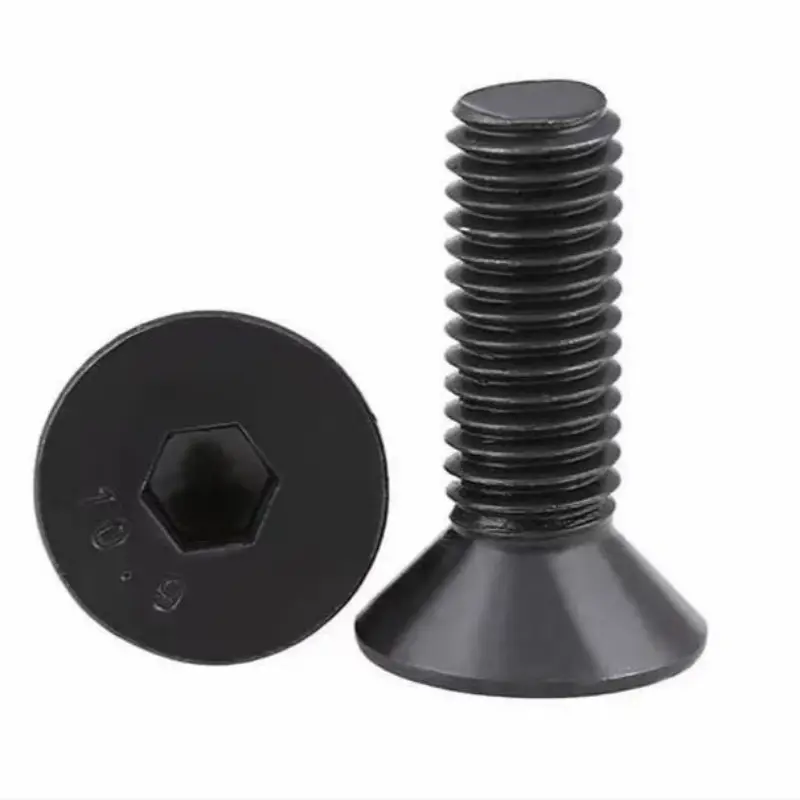
The top surface of the head is flat and can be aligned with the surface of the workpiece after installation, reducing protrusions and suitable for occasions that require a flat or streamlined appearance.
The bottom surface of the head is usually conical and can be embedded into the pre-made conical counterbore of the workpiece to provide better fit.
The hexagonal groove in the center of the head (ISO 4762 standard) can fully fit with the internal hexagonal wrench, transmitting large torque and reducing the risk of slipping.
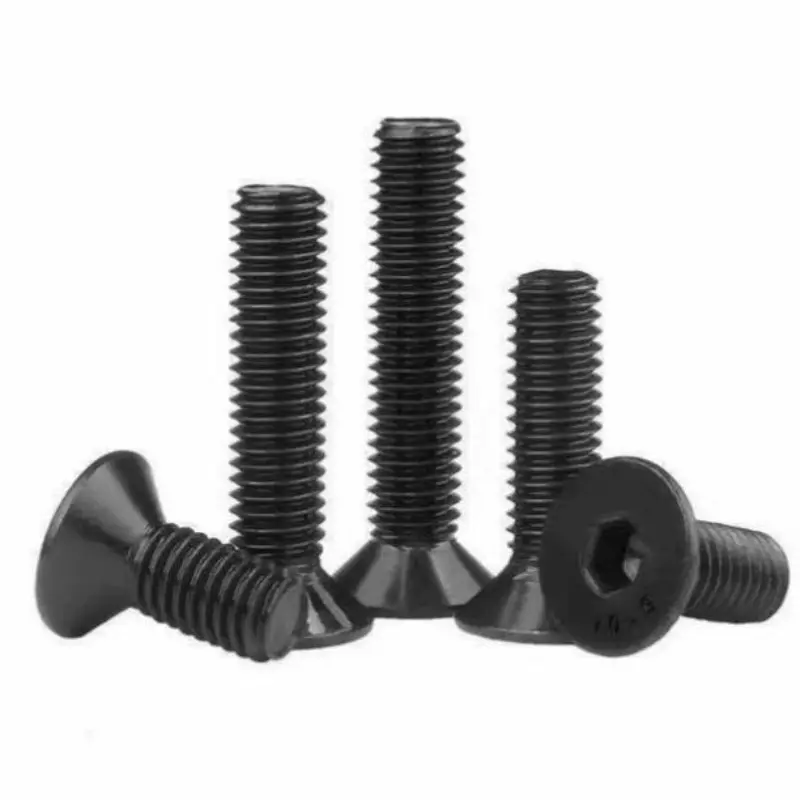
The thread types are mostly metric coarse teeth (such as M4, M6) or fine teeth (such as M8 × 1.25), and the length and diameter can be customized according to needs.
Used for the assembly of precision equipment (such as machine tools and molds), in areas that require high loads and limited space.
Requires highly reliable connections for engine components, transmissions, chassis, and other components.
The structural fixation of compact devices such as laptops and mobile phones.
Connection points with high requirements for weight and strength in lightweight design.
The contact area between the hexagonal hole and the wrench is large, which can withstand greater tightening torque.
The flat head design does not occupy external space, making it suitable for small or aesthetically pleasing installation environments.
When used in conjunction with spring washers or thread glue, it can effectively prevent loosening caused by vibration.
After installation, the surface is flat without exposed bolt heads, suitable for products with high appearance requirements.
| Material | Carbon steel (surface galvanized, blackened treatment), stainless steel (such as 304/316, corrosion-resistant), titanium alloy (lightweight and high-strength scenario). |
| Size Standard | Metric (ISO 4762), American (ANSI/ASME B18.3), with a common diameter range of M2 to M24. |
| Surface Treatment | Galvanized (rust proof), Dacromet (high-temperature corrosion resistance), electrophoretic (decorative coating), etc. |