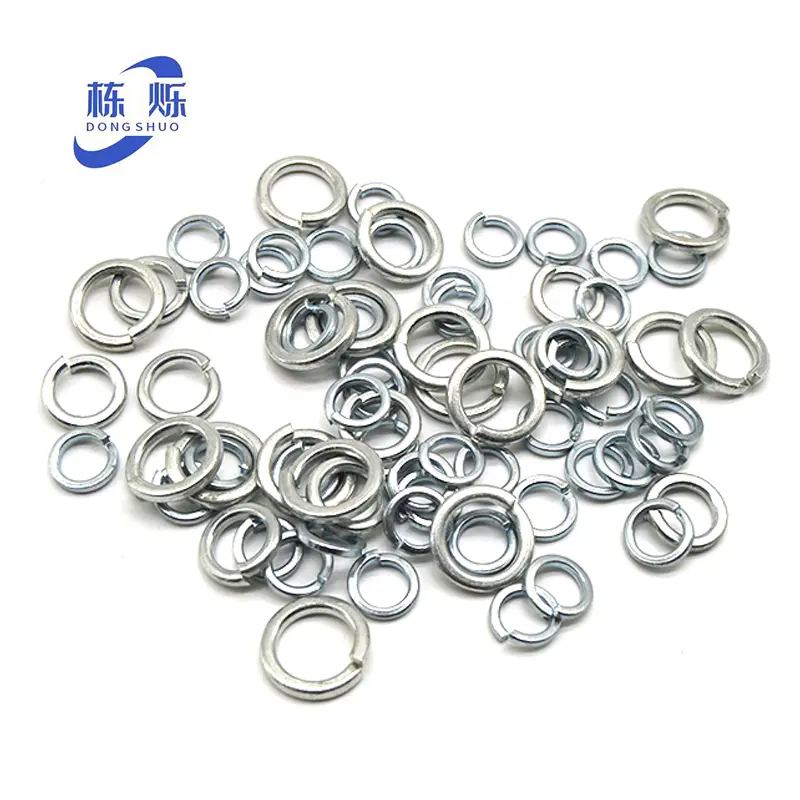
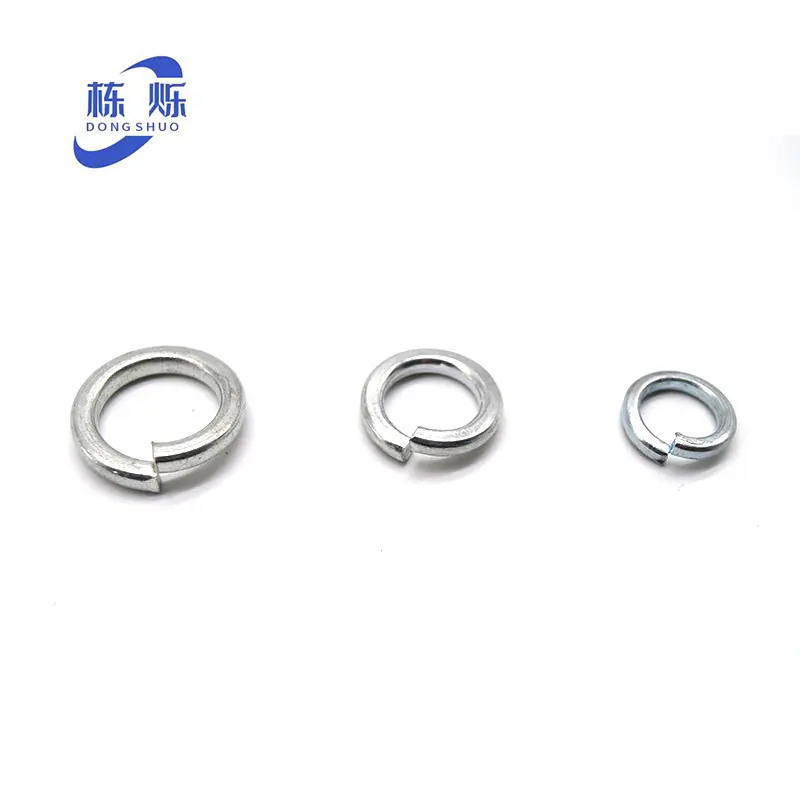
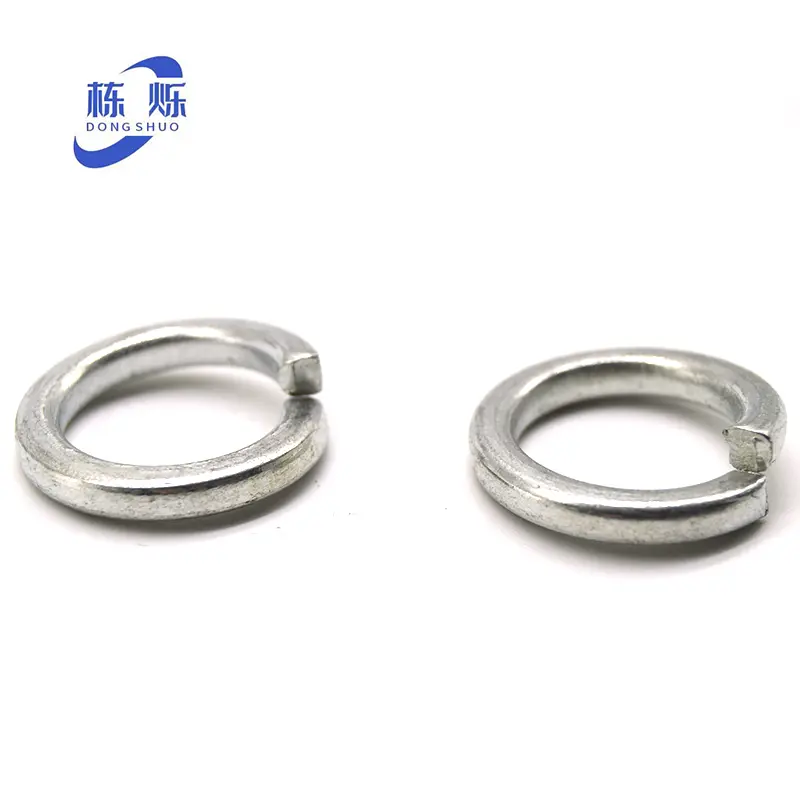
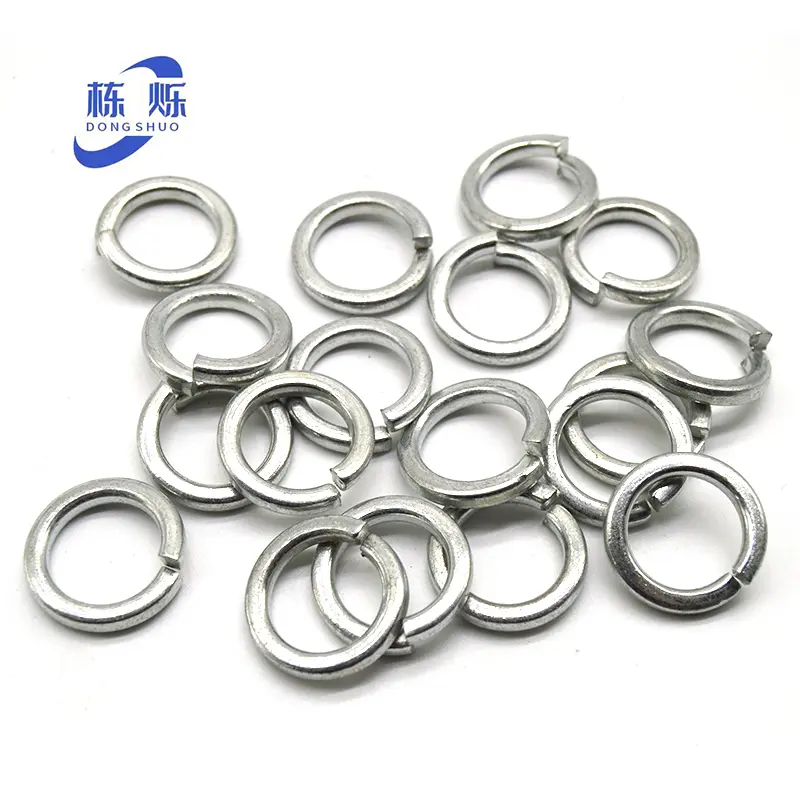
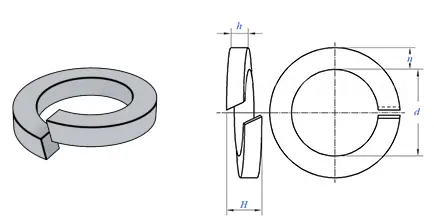
⚙️ Key Functions of Spring Washers
🔒
Prevent Looseness
Spring washers provide an additional tightening force to help prevent the loosening of bolts or nuts due to vibration or other factors.
📉
Reduce Vibration
Spring washers reduce vibration in mechanical devices, reduce the impact on connecting parts, and protect parts from damage.
🛡️
Disperse Pressure
Spring washers have a certain degree of elasticity, can disperse the tightening force of the pressure, and help to protect the connecting parts.
🔧
Adjust Tightening Force
The spring washer can also be used to adjust the tightening force, to ensure that the connecting parts get the appropriate pressure.
✅
Safety & Reliability
In general, spring washers play an important role in a variety of mechanical devices to help ensure the safety and reliability of connecting parts.
❓ Frequently Asked Questions
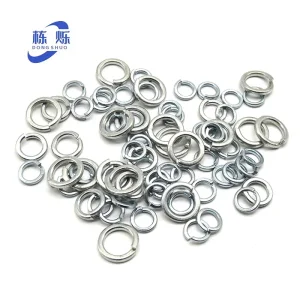
Q What is a DIN 127 spring washer?
A DIN 127 spring washer is a helical spring-shaped washer standardized under the German DIN 127 specification. It is designed to provide a locking function by exerting a continuous spring force, preventing loosening caused by vibration.
Q What materials are DIN 127 spring washers available in?
They are commonly manufactured in carbon steel, stainless steel (A2 / A4), and spring steel. Stainless steel is preferred for corrosive or outdoor environments.
Q What size range do DIN 127 spring washers cover?
DIN 127 spring washers are available in a wide range of nominal diameters, from M2 up to M48, suitable for both light and heavy-duty machinery.
Q How does a spring washer prevent bolt loosening?
When compressed flat, the elastic restoring force maintains constant pressure between the bolt head and the mating surface, countering rotation caused by vibration or thermal cycling.
Q Can DIN 127 spring washers be reused?
It is generally not recommended to reuse them after full compression, as the elastic properties may be reduced. For critical applications, replacement is best practice.
Q What is the difference between DIN 127 Type A and Type B?
Type A has square ends for a stronger bite, while Type B has rounded ends to reduce the risk of scratching soft surfaces in general engineering applications.
 Dongshuo