Engineered high-performance fasteners optimized for local structures and roofing setups.
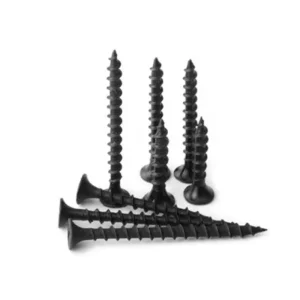
Timor-Leste, officially the Democratic Republic of Timor-Leste, is undergoing a profound transformation across its industrial and commercial sectors. Driven by the ambitious Strategic Development Plan (SDP) 2011-2030, the nation is allocating substantial capital to civil infrastructure, maritime facilities, and energy security systems. This rapid construction demands engineering inputs that can withstand extreme environmental conditions.
Geographically, Timor-Leste experiences a maritime tropical climate characterized by sustained relative humidity (often exceeding 80%), intense monsoonal precipitation cycles, and severe sea-spray exposure along its key economic centers in Dili, Baucau, and Liquiçá. In this high-corrosion environment, standard structural components can suffer accelerated rust and degradation. Consequently, the reliance on high-performance drill tail screws (also known as self-drilling screws) has shifted from a general choice to a critical engineering requirement.
Specially coated drill tail screws are imperative to survive the marine atmosphere of coastal Timor-Leste, eliminating premature fastener breakdown.
Eliminating separate drilling, punching, and tapping operations dramatically accelerates project cycles for local developers.
Engineered to absorb vibrations and structural displacements caused by high wind loads and seismic events in the region.
For the industrial contractors working on the Tibar Bay Port expansion, localized processing facilities, and regional storage hubs, procurement specifications demand fasteners with documented chemical compositions and tensile capacities. The selection of self-drilling screws must follow stringent performance criteria, prioritizing shear load capabilities and high corrosion resistance coatings.
Self-drilling screws are segmented by their drill point geometry (typically classified from No. 1 to No. 5). The selection dictates the thickness of the metal plate the screw can penetrate without pre-drilling. Purchasing teams in Timor-Leste must match these specifications to their exact application parameters to prevent installation failures, such as snapped heads or burned drill tips.
| Point Type | Drilling Capacity (Steel) | Common Applications in Timor-Leste | Recommended Coatings |
|---|---|---|---|
| No. 2 Point | 0.8mm to 2.5mm | Residential metal roofing sheets, light-gauge steel framing, drywall partitions. | Zinc plated, grey/black phosphate (drywall assemblies). |
| No. 3 Point | 2.0mm to 4.5mm | Commercial roofing purlins, agricultural warehouses, light steel structures. | Ruspert coating (1000 hrs salt-spray), mechanical galvanized. |
| No. 4 Point | 4.0mm to 8.0mm | Industrial structural columns, modular storage racks, heavy solar frame anchors. | Ruspert 1500 hrs, Hot-Dip Galvanized (HDG). |
| No. 5 Point | 6.0mm to 12.5mm | Port gantry systems, heavy bridge structural framing, massive storage depots. | Bimetal (Stainless steel 304/316 body with carbon steel drill point). |
Selecting the incorrect configuration, such as using a No. 2 point screw on a 6mm hot-rolled steel purlin, leads to friction overheating. This burns the tip, dulls the cutting edges, and results in structural instability. Conversely, using a heavy-duty No. 5 point screw on thin metal sheets can strip the threads prematurely, reducing pull-out resistance.
With massive development happening in public infrastructure and remote housing, specific application profiles demand tailor-made fastening solutions. Below are the primary industrial environments where high-quality self-drilling screws are vital:
As Dili strengthens its position as a regional logistics center, the demand for expansive logistics facilities has increased. These structures feature pre-engineered steel frames and metal sheet walls. Using premium No. 3 and No. 4 point drill tail screws with EPDM washers ensures leak-free roofing and wall systems that can withstand tropical downpours and high winds.
Timor-Leste is actively pursuing clean energy to power remote communities. Coastal solar arrays are exposed to constant sea breezes carrying corrosive salt spray. Contractors rely on bi-metal drill tail screws (combining the corrosion resistance of 304/316 stainless steel with the drilling power of case-hardened carbon steel) to attach solar mounting rails to heavy-duty galvanized structural frames.
Government initiatives to build schools, medical clinics, and municipal offices require high-quality drywall screws and structural self-drilling fasteners. Standardizing on corrosion-resistant hardware prevents structural failures and unsightly rust run-offs along wall panels, securing long-term public investments.
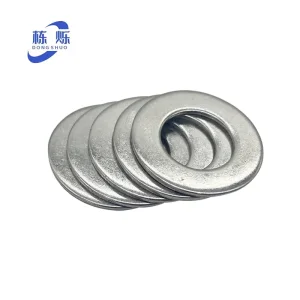
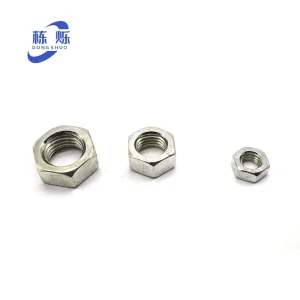
Fishery processing plants and port infrastructure along the Timor Sea require heavy-duty anchoring systems. Hot-dip galvanized bolts, plain washers, and heavy hex nuts work alongside specialized drill tail screws to secure vital mechanical components, piping supports, and safety barriers.
For procurement officers in Timor-Leste, sourcing structural fasteners directly from China provides a reliable route to obtain high-performance products at competitive prices. As a specialized manufacturer, Handan Yongnian District Dongshuo Fastener Manufacturing Co., Ltd. (established in 2015) offers key advantages to international industrial buyers:
Established Year
Traceable Quality
Tons Monthly Output
Salt Spray Resistance
Discover the manufacturing background and values that drive Handan Yongnian District Dongshuo Fastener Manufacturing Co., Ltd.
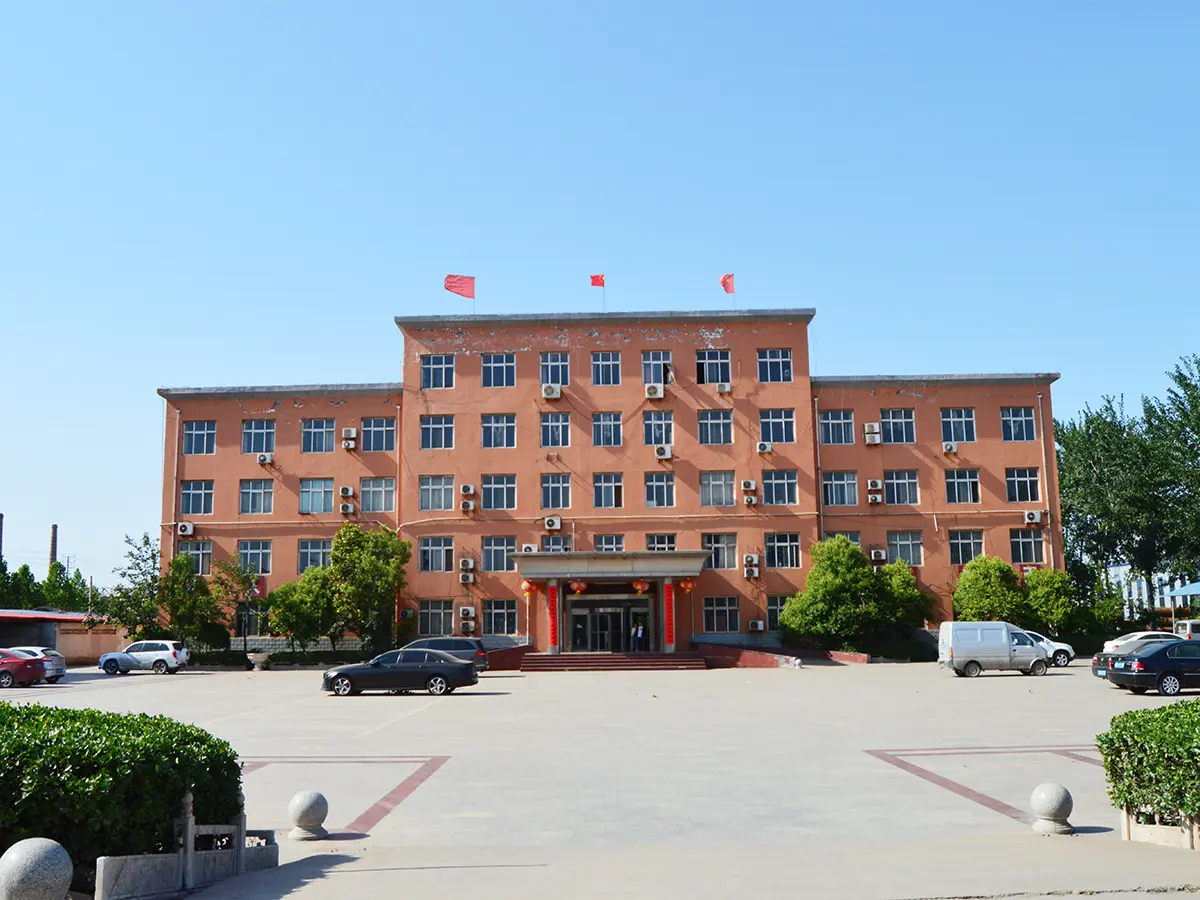
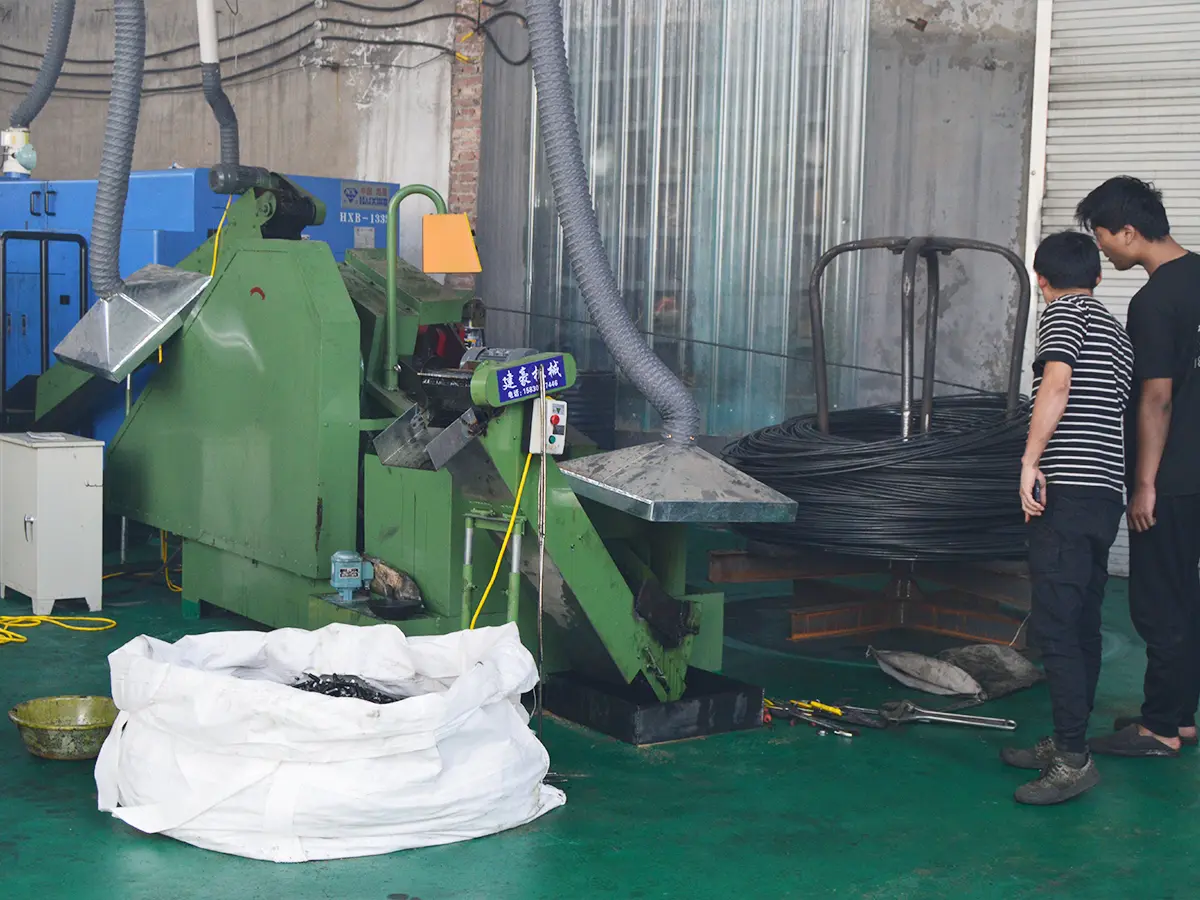
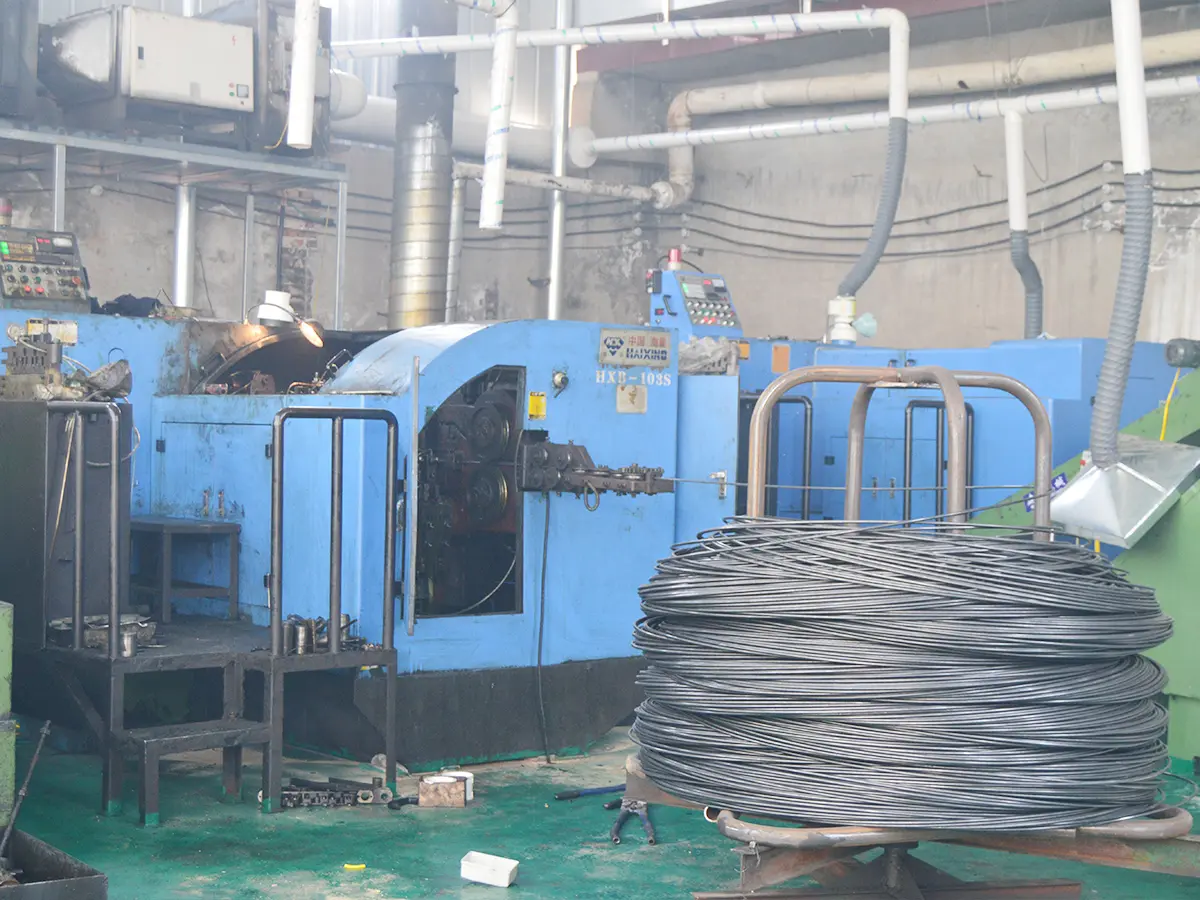
Established in 2015, Handan Yongnian District Dongshuo Fastener Manufacturing Co., Ltd. is an enterprise specializing in the production and operation of fasteners. Our company is committed to providing high-quality fastener products and providing customers with comprehensive solutions in various industries. As a reputable fastener manufacturer, we have advanced production equipment and a professional technical team to meet our customers' needs for different types of fasteners.
Procuring large batches of fasteners for project sites in Timor-Leste requires careful coordination across quality assurance, customs regulations, and logistics. Key strategies for supply chain managers include:
1. Requesting Material Test Reports (MTRs): Always verify the chemical composition and mechanical properties of the steel. High-quality fasteners are made from certified carbon steels (like C1022A for self-drilling screws) or grade-certified stainless steels. Ensure your supplier provides certifications for ISO 9001 and CE compliance.
2. Specifying Salt Spray Performance: Given Timor-Leste's maritime exposure, specify the ASTM B117 salt spray standard hours. For inland drywall and wood projects, standard zinc plating (min. 5 microns) or black phosphate is sufficient. However, for structural framing and roofing in coastal areas, specify at least 1,000 hours of salt spray resistance.
3. Optimizing Shipping and Container Packing: Fasteners are heavy, high-density cargo. To reduce shipping costs, work with suppliers who can pack containers efficiently using sturdy, seaworthy wooden pallets. Ensure the cartons are moisture-resistant to prevent oxidation during transit through maritime shipping lanes from China to Dili Port.
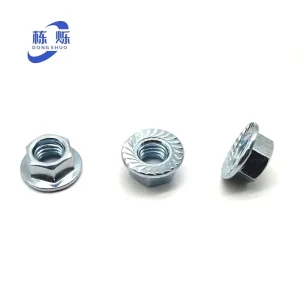
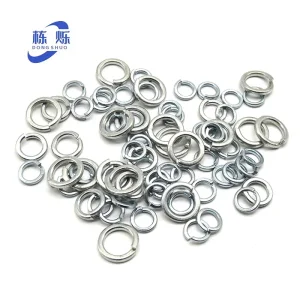
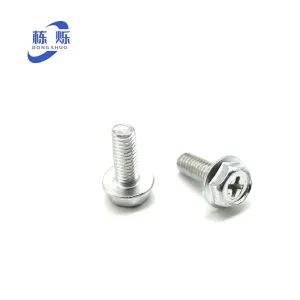
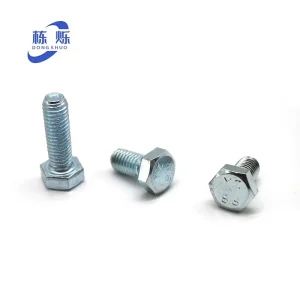
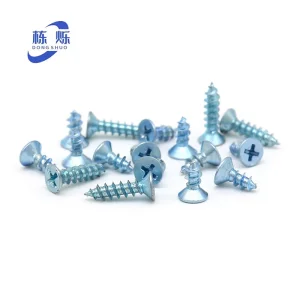
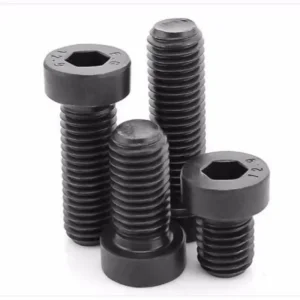
A complete selection of washers, bolts, nuts, and anchoring systems for mechanical and civil engineering projects.
Answers to common structural design and installation questions regarding self-drilling fasteners.
Get in touch with Dongshuo Fastener's technical team today to receive a detailed quote, structural test reports, and free product samples.
Direct Factory Support • ISO 9001 Certified Quality Control • Custom Export Packaging
 Dongshuo