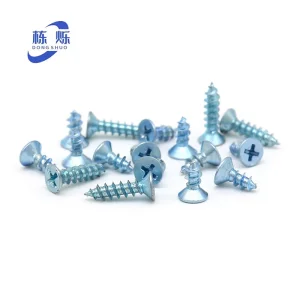
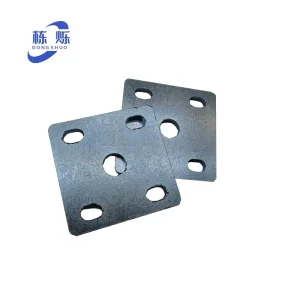
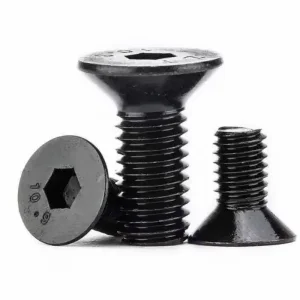
High-precision industrial anchoring materials engineered to meet challenging infrastructure demands globally.
A deep dive into the engineering mechanics of expansion anchors in heavy-load anchoring environments.
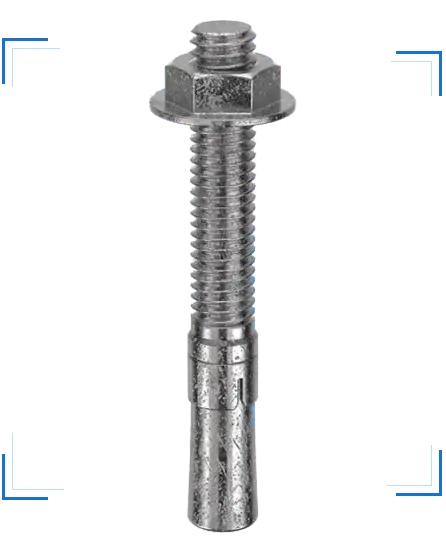
Wedge bolts, or expansion anchors, are a cornerstone of modern concrete and masonry structural design. Unlike adhesive anchors that rely on chemical bonds, a wedge bolt functions entirely on friction and mechanical interlock. When a wedge bolt is hammered into a pre-drilled cylindrical hole and torque is applied, the tapered end of the bolt is pulled up through an expansion sleeve. This expands the sleeve outwards against the walls of the concrete. The resulting clamping force turns the concrete itself into the load-bearing mechanism, distributing tension and shear forces across the anchor body.
This design is highly valued because it provides immediate load-carrying capacity with no curing times. However, the calculation of their load capacity must consider parameters such as the concrete compressive strength ($f'_c$), embedment depth ($h_{ef}$), edge distance ($c$), and spacing ($s$). A reduction in concrete density or cracked concrete conditions requires engineered sleeves capable of adapting to microscopic shifting, which is why sourcing from expert wedge bolt manufacturers is crucial.
Analyzing key structural certifications, material options, and supply chain logistics for international purchasing departments.
High-quality wedge bolts are manufactured to comply with key standards, including:
Selecting the correct wedge bolt relies heavily on the environment it will be installed in. Leading wedge bolt manufacturers offer carbon steel, hot-dip galvanized (HDG), and stainless steel (Grade 304 and 316) options. For indoor, temperature-controlled warehouse applications, electro-zinc-plated carbon steel anchors provide sufficient cost-effective protection. However, in wastewater treatment plants, chemical refineries, or coastal infrastructure, SS316 wedge bolts are required to prevent stress corrosion cracking.
Dongshuo Fastener Manufacturing provides comprehensive material traceability, offering physical testing sheets detailing yield strengths and coating thicknesses. This ensures that purchasing departments, structural engineers, and contractors can meet specific project compliance requirements without compromising on safety or lifespan.
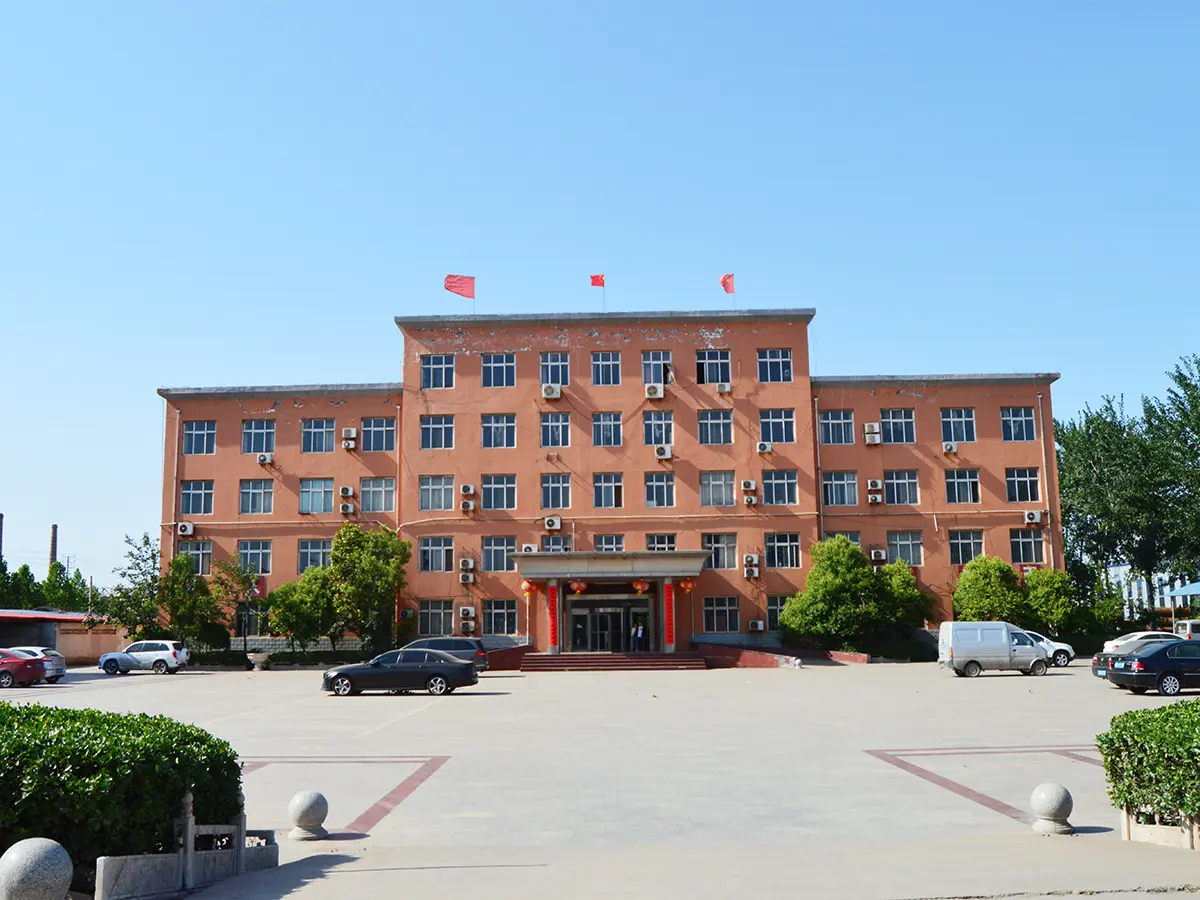
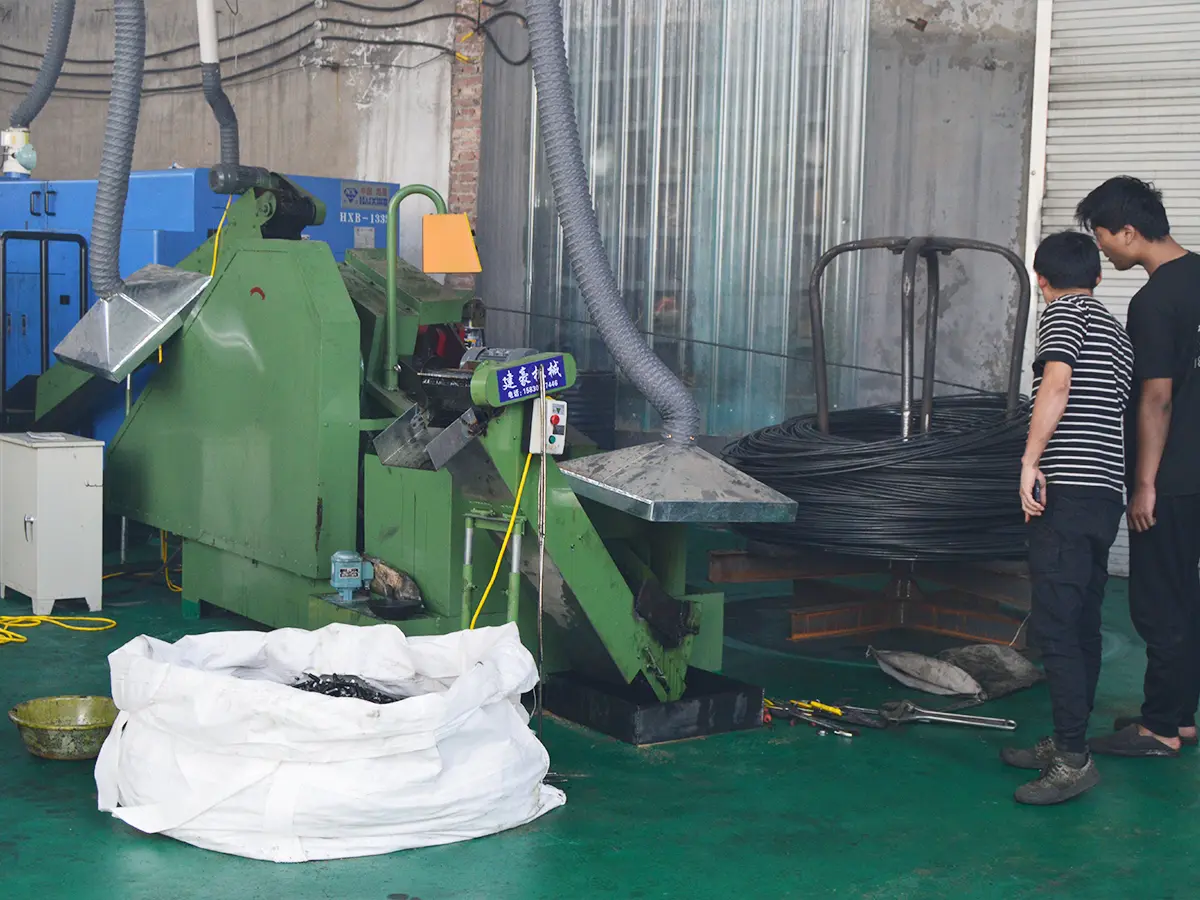
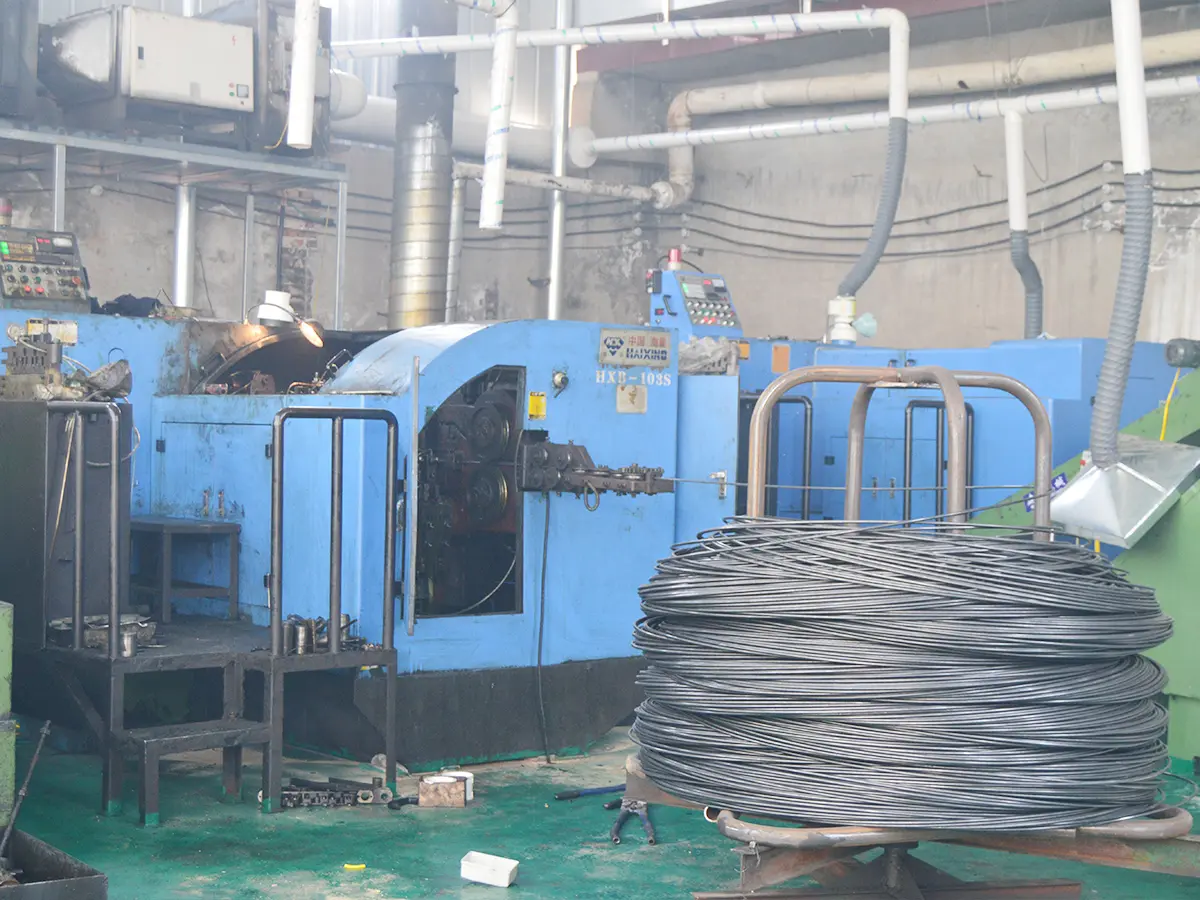
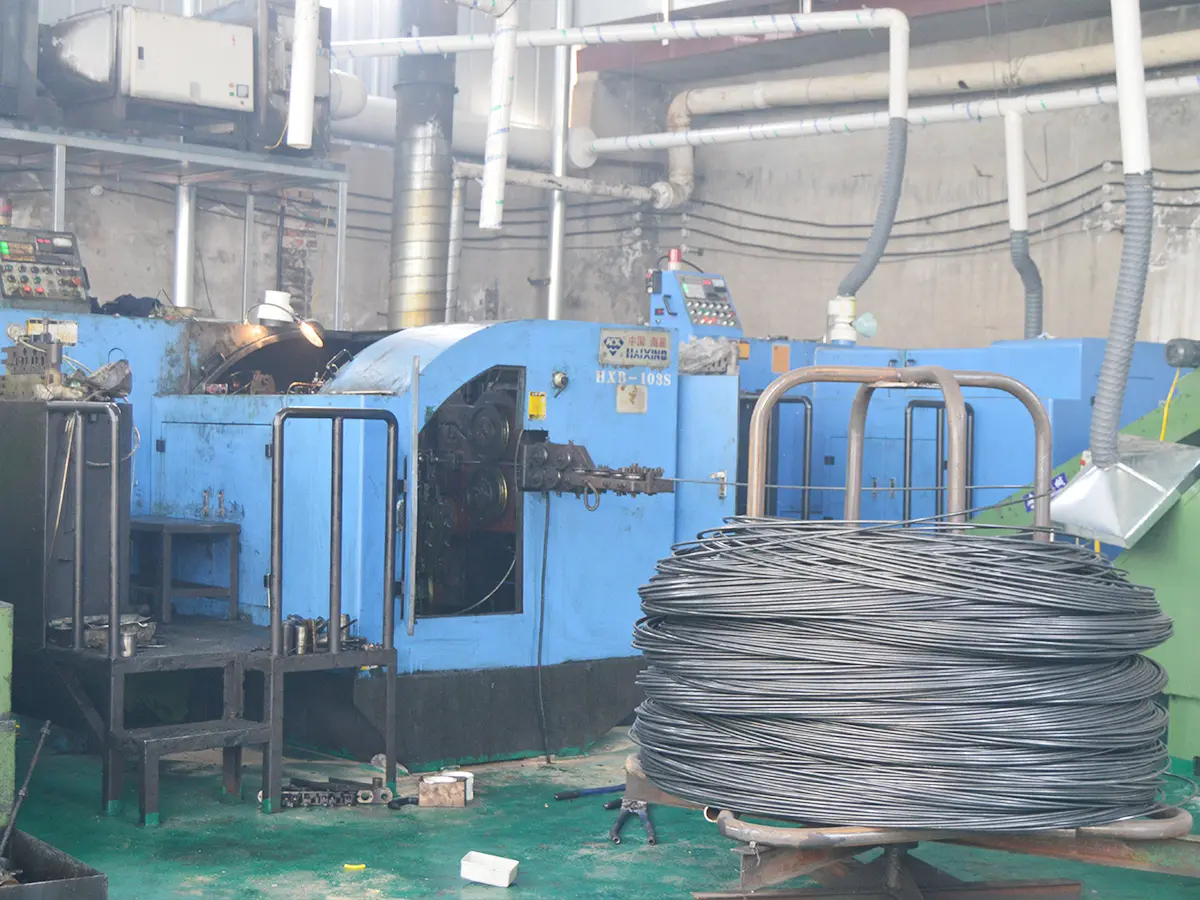
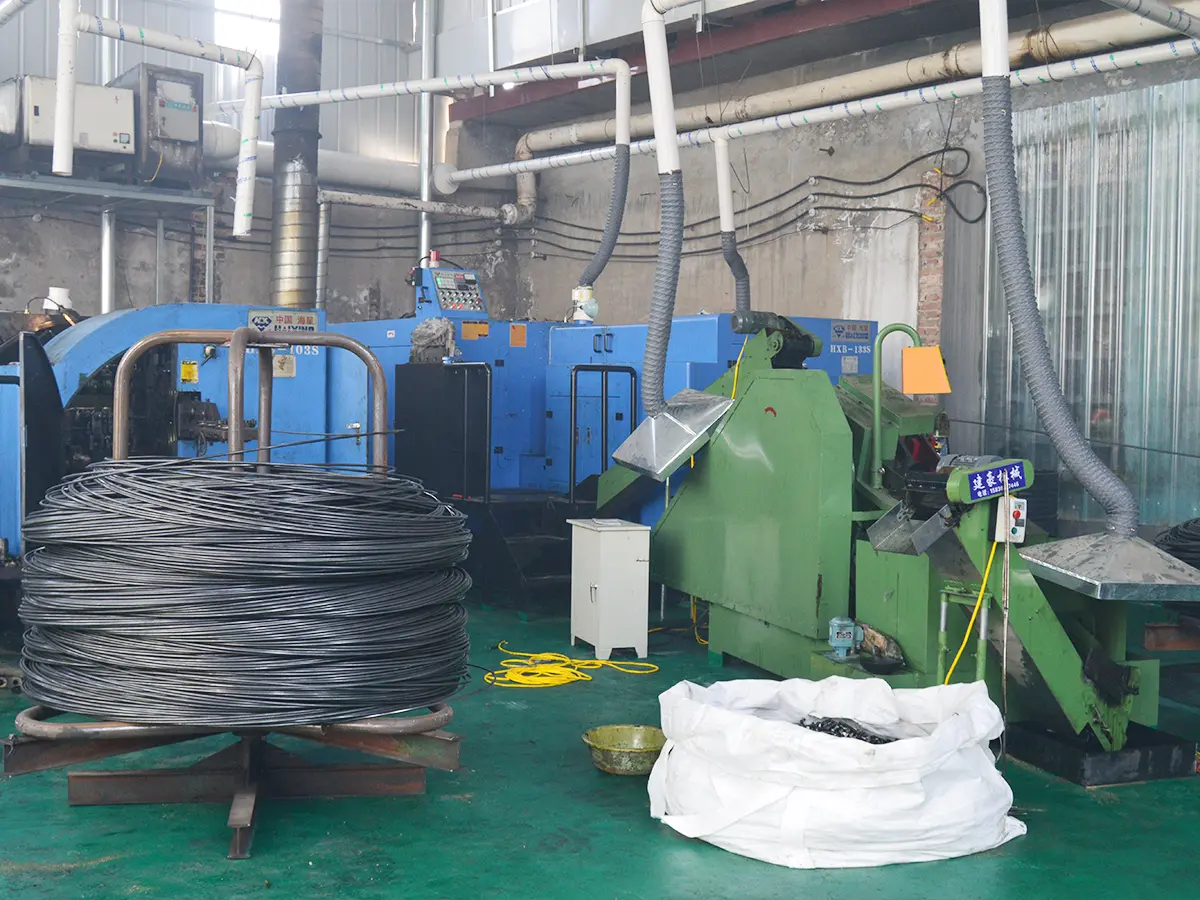
Take a virtual look inside our production facilities, materials handling, and testing infrastructure.
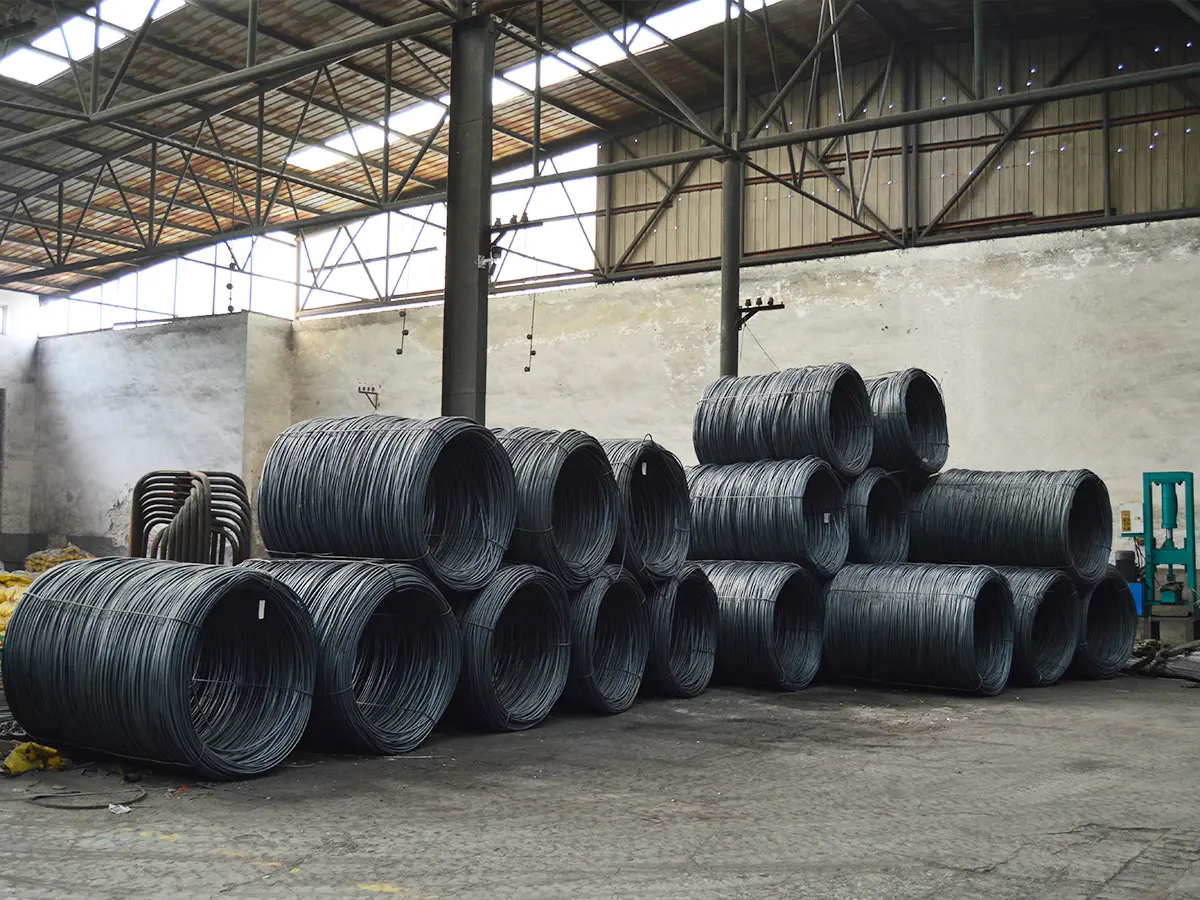
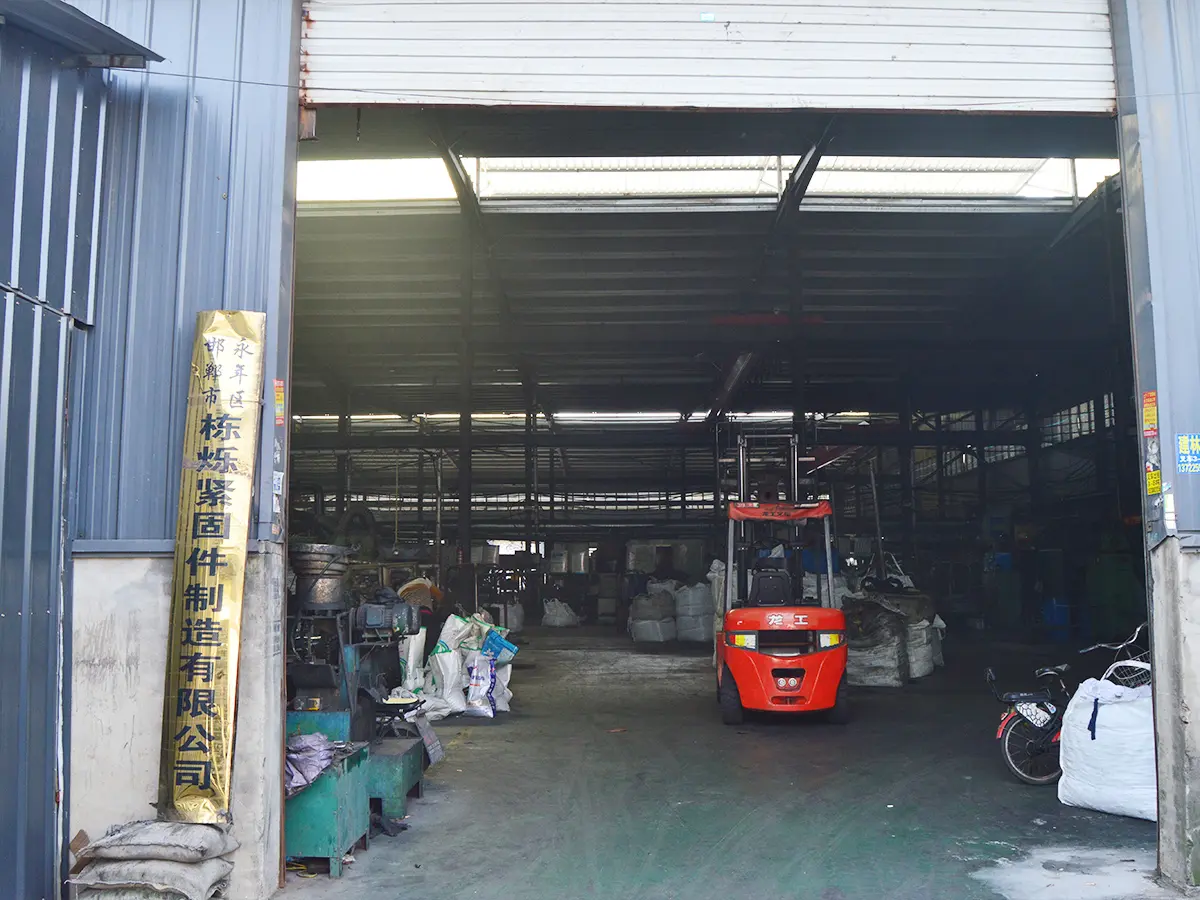
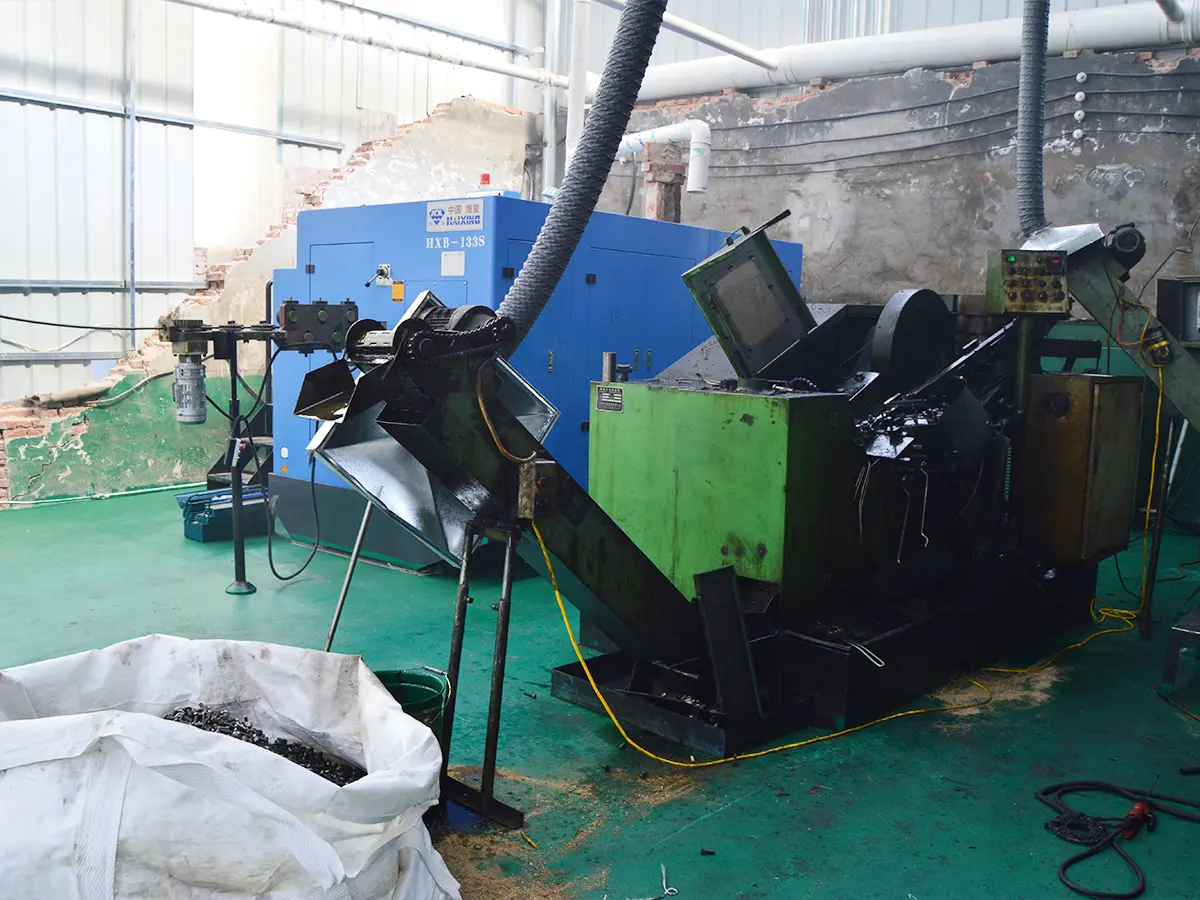
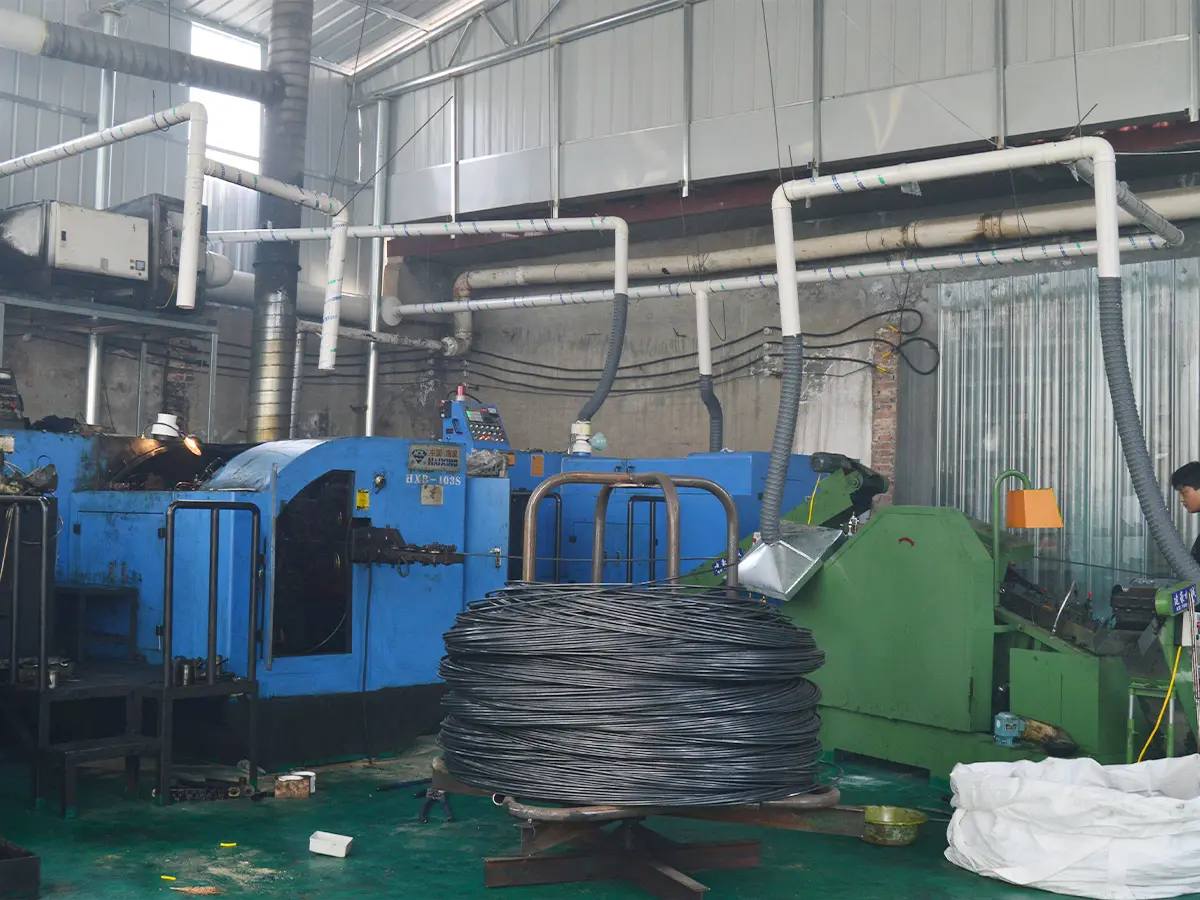
From structural steel framing to heavy machinery installation, discover how wedge bolts are applied across industries.
In structural engineering, securing steel columns to concrete foundations is a critical stage. Wedge bolts are frequently used to anchor column base plates because they offer high tensile resistance. Proper installation requires precise drilling diameter and depth. Using high-quality wedge bolts ensures the connection handles bending moments and shear forces induced by wind loads, seismic events, or live building weight.
Our wedge bolts are designed with a chamfered top to prevent thread damage during hammer installation. The expansion clip is engineered to grip the concrete walls tightly, reducing slip and ensuring load calculations remain stable over decades of service.
Mechanical, electrical, and plumbing (MEP) systems rely heavily on anchor bolts for overhead utility hangers and support frames. Wedge bolts installed in concrete ceilings must withstand sustained tensile loads. For these seismic-sensitive installations, using ETA-approved, crack-resistant wedge bolts prevents catastrophic pull-out failures. Installers must adhere to proper torque specifications using calibrated torque wrenches to avoid over-tensioning the steel bolt body.
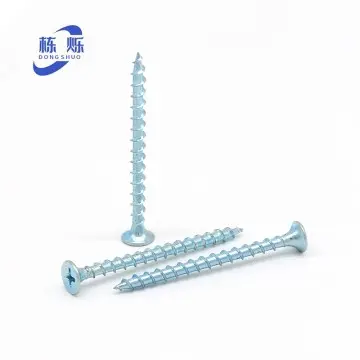
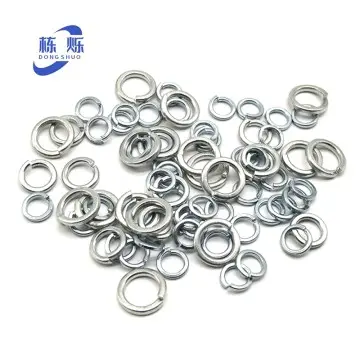
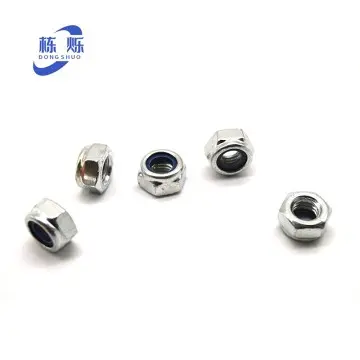
We manufacture dynamic fasteners tailored to complex engineering systems, including:
How to ensure maximum pull-out resistance through proper installation techniques on-site.
Incorrect installation is the leading cause of anchor failure. The three most common failure modes are:
By consulting with technical experts at Dongshuo Fastener Manufacturing, engineering teams can access torque charts, embedment depth recommendations, and calculation software interfaces to ensure reliable installation outcomes.
Aligning custom fastener engineering with global industrial manufacturing trends.
Every engineering project presents unique challenges. Handan Yongnian District Dongshuo Fastener Manufacturing Co., Ltd. specializes in custom OEM production. Whether your project requires special thread pitches, non-standard lengths, or specific high-corrosion coatings, our technical design department can produce custom tooling and prototype runs for validation.
With an established presence in Handan, the fastener manufacturing hub of China, we source high-grade steel raw materials and maintain control over heat treatment and surface finishing. This structure allows us to offer shorter lead times for custom fasteners compared to other manufacturing regions.
The structural anchoring market is evolving towards smart technology and sustainability. As wind turbine towers, bridge supports, and smart city infrastructure demand real-time stress data, research into smart sensor-integrated fasteners is increasing. Dongshuo is actively monitoring this space, studying materials designed to track tension and stress variations under load.
We are also updating our manufacturing lines to reduce environmental impact. Our processes prioritize eco-friendly, hexavalent-chromium-free zinc coatings, compliant with EU RoHS and REACH regulations, without compromising corrosion resistance.
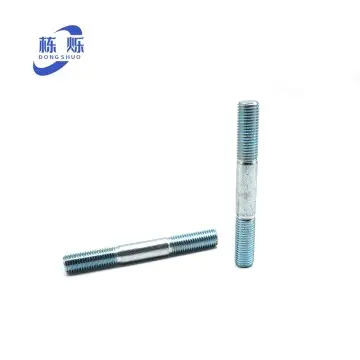 Double-Headed Galvanized Bolt Line
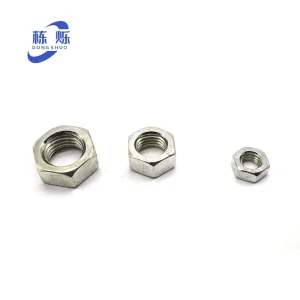
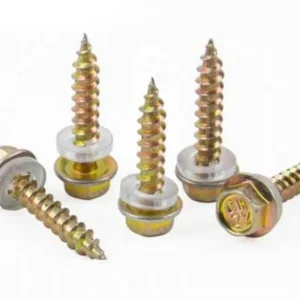
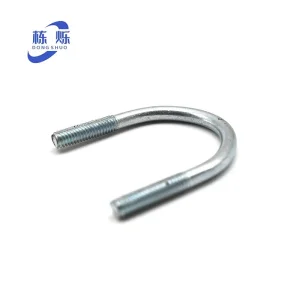
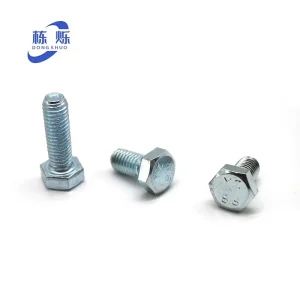
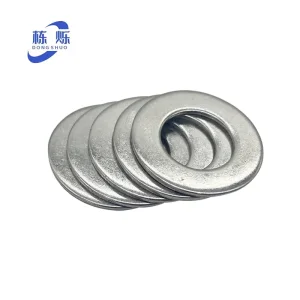
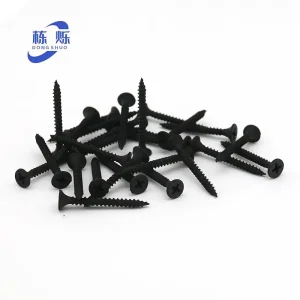
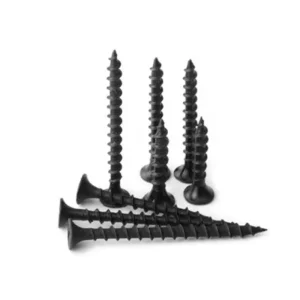
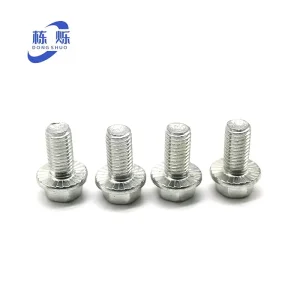
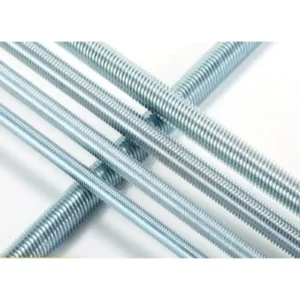
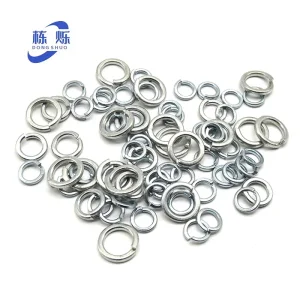
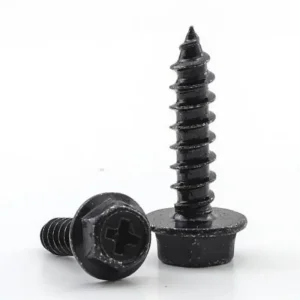
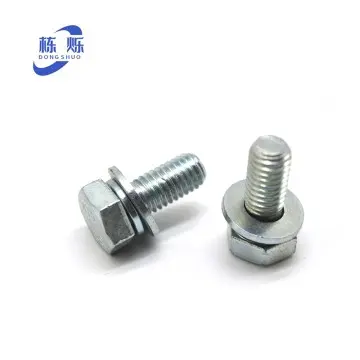
Explore our wider range of hex bolts, drywall screws, threaded rods, and custom washers manufactured for industrial installations.
Partnering with global industries since 2015 to provide high-quality structural anchoring solutions.
Handan Yongnian District Dongshuo Fastener Manufacturing Co., Ltd. was established in 2015. Located in Yongnian District, Handan City, Hebei Province, China, our company operates in one of the world's most dynamic fastener manufacturing hubs. We specialize in producing and supplying high-quality industrial fasteners, including heavy-duty wedge bolts, nuts, structural washers, drywall nails, and custom anchoring solutions.
Our facility is equipped with multi-station cold heading machines, precision high-speed thread rolling equipment, and advanced surface coating lines. Our technical team works to ensure all products comply with DIN, ISO, ASTM, and ANSI standards, providing dependable structural integrity for global buyers.
We follow a systematic approach to fastener production to ensure structural safety in demanding environments:
Detailed engineering answers to the most common technical, logistical, and design queries from global buyers.
A1. We are a factory. You are welcome to visit our manufacturing facility in Handan City, Hebei Province, China, to inspect our cold forming machinery, thread rolling setups, and quality control systems.
A2. Our factory is located in Handan City, Hebei Province, China. You can fly to Handan Airport directly, which is a one-hour drive from our manufacturing facilities.
A3. Fastener prices fluctuate based on raw material steel costs, exchange rates, and fuel surcharges. Please contact us with your specifications, volume requirements, and destination port, and our team will provide a firm, competitive quote.
A4. For orders under $1,000 USD, we require 100% payment in advance. For orders of $1,000 USD or more, we require 30% T/T in advance, with the balance due before shipment. We accept RMB payments through domestic and international bank transfers.
A5. Yes, we provide free standard product samples for evaluation. The customer is responsible for shipping and courier costs.
A6. Wedge bolts feature a solid steel shaft with a small expansion collar, requiring a precise hole size matching the bolt diameter. They are suited for solid concrete and high-load structural applications. Sleeve anchors feature an expansion tube running the full length of the bolt body. They are more forgiving in weaker or hollow base materials, like brick or block, because they expand over a wider surface area.
A7. The effective embedment depth ($h_{ef}$) directly dictates the volume of the concrete breakout cone. Deepening the embedment increases the surface area of the concrete cone resisting pull-out. This significantly increases the ultimate tensile load capacity, provided the bolt steel itself has a high yield point to prevent tensile failure.
Discuss your mechanical anchoring specifications, volume pricing requirements, and custom manufacturing needs with our experts.
Handan Yongnian District Dongshuo Fastener Manufacturing Co., Ltd.
We supply high-precision mechanical anchors, threaded components, and custom structural fasteners for industrial projects worldwide. Get in touch with our team for technical consultations and firm quotations.
 Dongshuo