Dongshuo
1 / 3
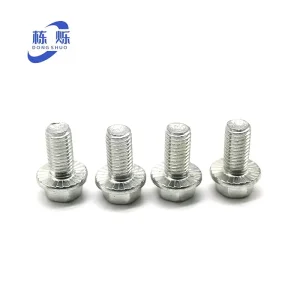
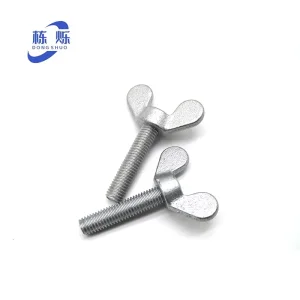
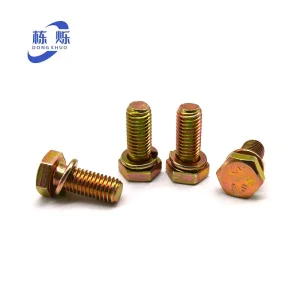
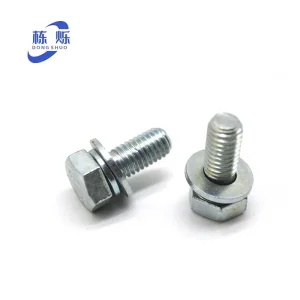
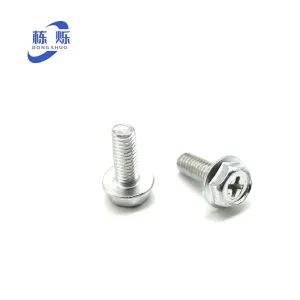
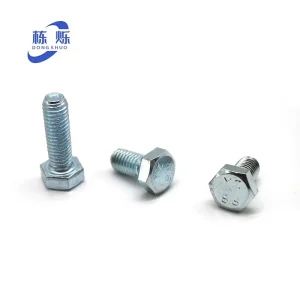
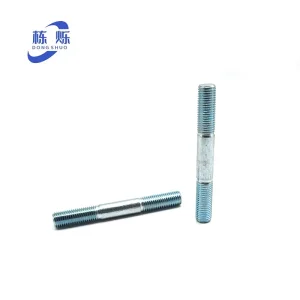
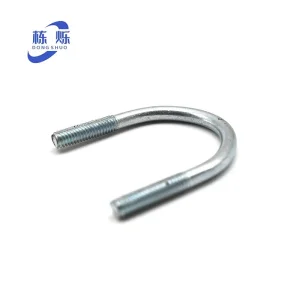
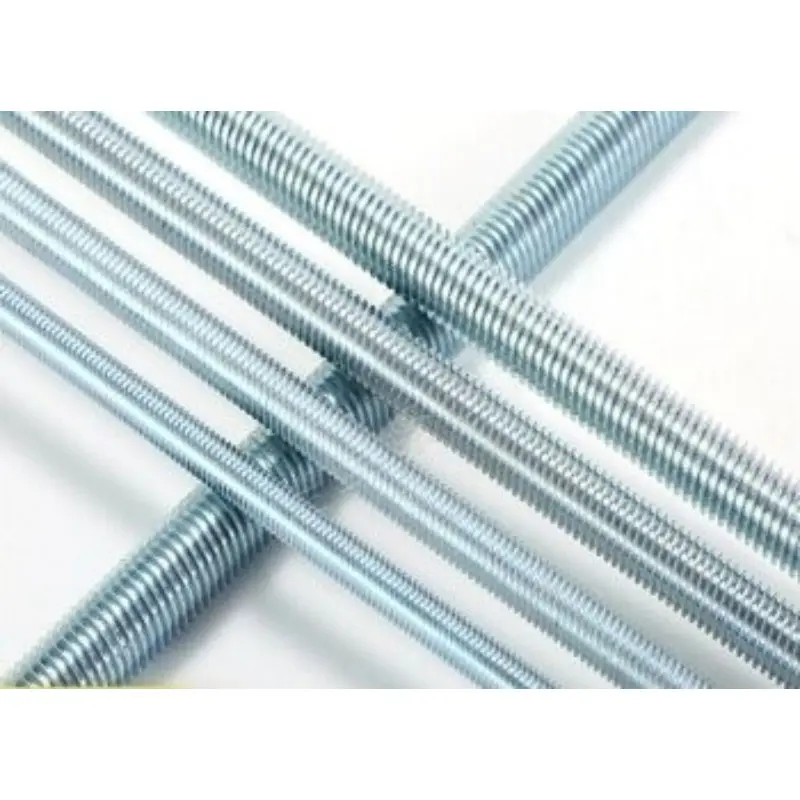
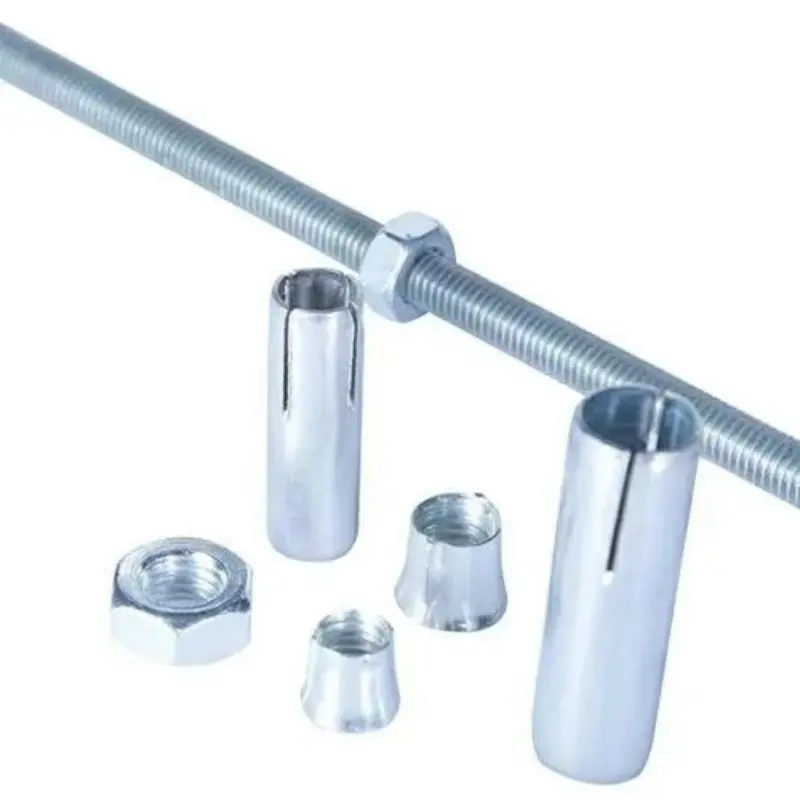
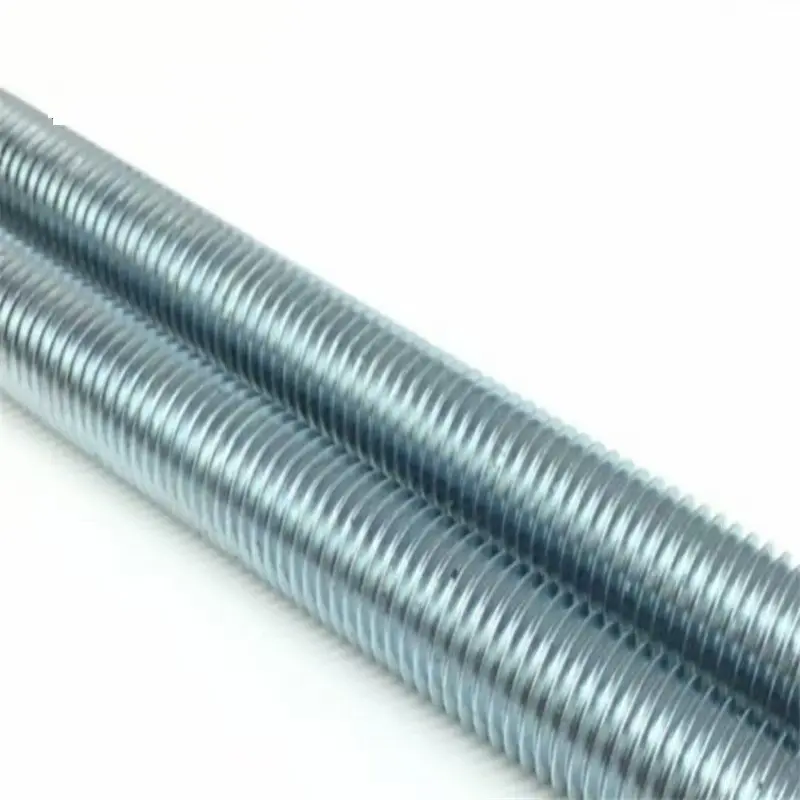
A galvanized screw is a high-performance transmission component coated with a protective zinc layer—achieved through electroplating or hot-dip galvanization. Its primary function is to efficiently convert rotational motion into linear motion while offering superior anti-corrosion properties in challenging environments.
Construction and agricultural equipment exposed to rain and soil.
Deck lifting mechanisms and valve controls resistant to salt spray.
Acid and alkali resistant transmission for reaction kettles.
Automatic doors, windows, and platforms requiring rust prevention.
It is primarily used as a transmission component to convert rotational motion into linear motion while providing excellent protection against rust and corrosion.
Electroplated zinc provides a thinner, more uniform, and aesthetically pleasing finish. Hot-dip galvanizing results in a thicker coating, offering much stronger corrosion resistance for harsh environments.
The core is usually constructed from high-strength carbon steel like 45# steel or 40Cr. For specific requirements, stainless steel can also be used as a base.
Yes, because the galvanized surface is smooth and rust-resistant, it meets hygiene standards required for food processing machinery where rust contamination must be avoided.
Absolutely. Galvanized wire rods are ideal for ship and ocean engineering, specifically for deck mechanisms, due to their ability to withstand salt spray and moisture.