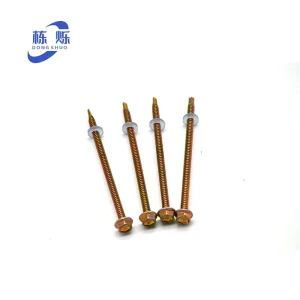
1. Connecting mechanical components
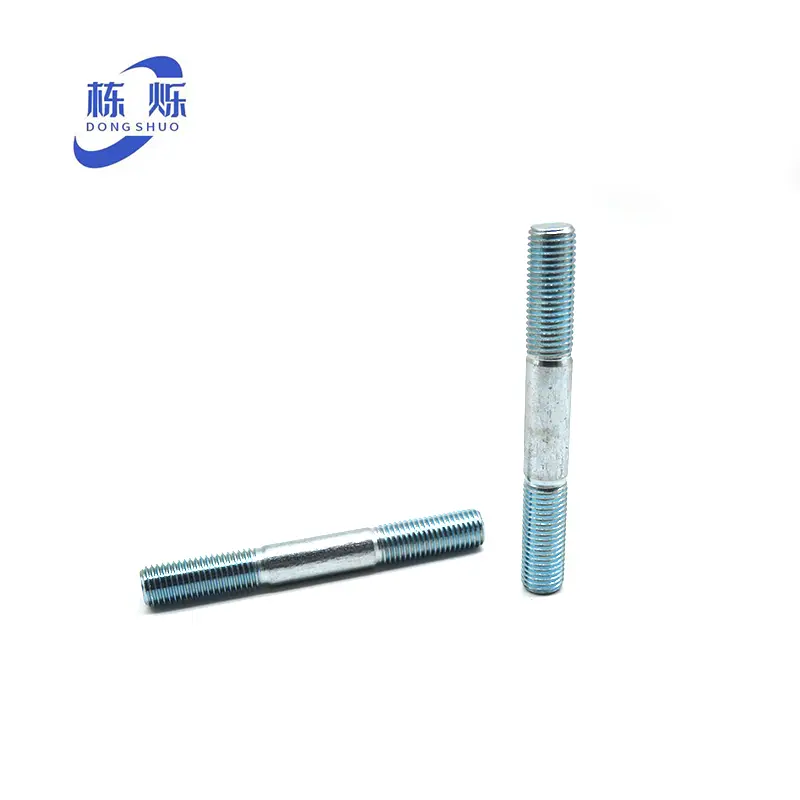
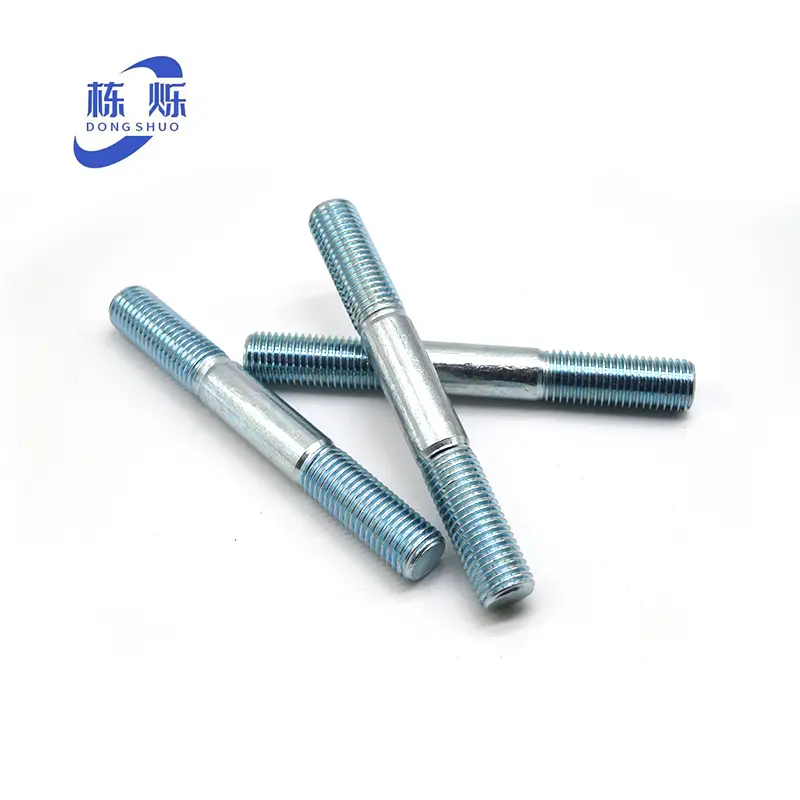
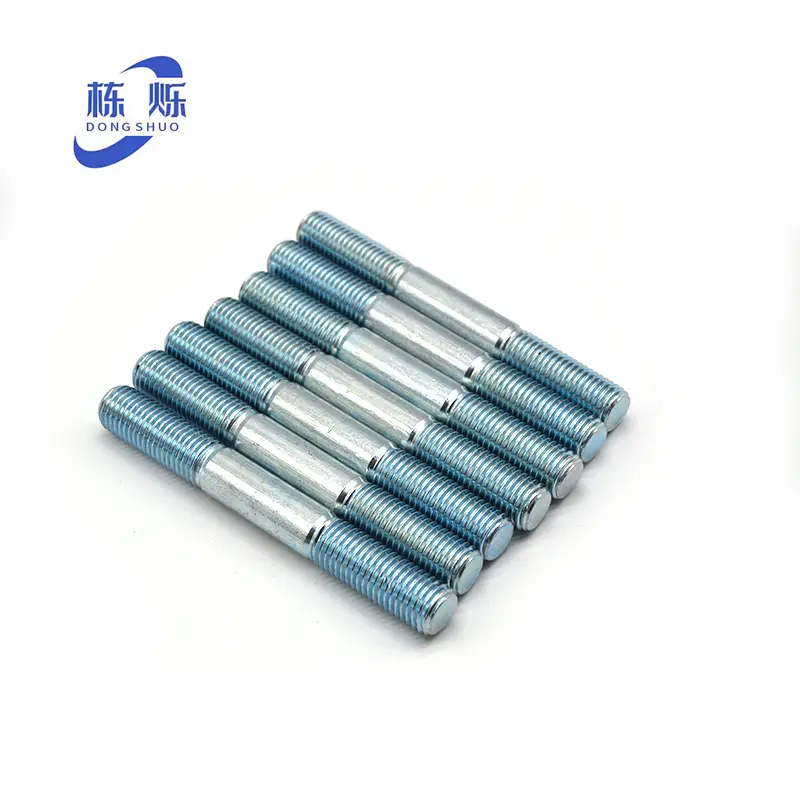
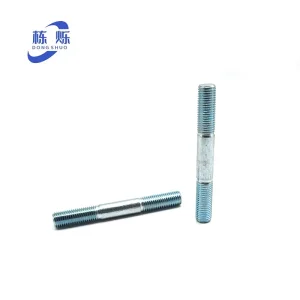
Double headed bolts have threads at both ends and a screw in the middle, commonly used to connect mechanical components such as mining machinery, bridges, automobiles, motorcycles, boiler steel structures, suspension towers, large-span steel structures, and large buildings.
2. Installation accessories
When large equipment requires the installation of accessories, such as observation mirrors, mechanical seal seats, reduction frames, etc., double headed bolts can play a role. One end is screwed into the main body, and after installing the accessories, the other end is equipped with a nut.
3. Connecting thick plates
In cases where the thickness of the connectors is large or the connection area is not convenient to use hexagonal bolts, such as concrete roof trusses, roof beam suspensions, monorail beam suspensions, etc., double headed bolts are also a suitable choice.
4. Fixed connecting rod
Double headed bolts are also commonly used for mechanical fixed connecting rods, with corresponding threads at both ends. The thickness of the middle screw varies depending on actual usage.
Frequently Asked Questions
What are the primary applications of double headed bolts?
They are primarily used in large-scale infrastructure and heavy machinery, including mining equipment, bridge construction, automotive assembly, and large-span steel structures where standard bolts are impractical.
Why choose double headed bolts over hexagonal bolts?
Double headed bolts are preferred when connecting very thick plates or in confined spaces where it is difficult to use a wrench on a hexagonal bolt head. They are also ideal for parts requiring frequent disassembly.
Can the thread size be customized?
Yes, as shown in our specification table, we provide a wide range of thread sizes from M6 to M33 to meet different industrial mechanical requirements.
How do double headed bolts assist in equipment maintenance?
By screwing one end permanently into the main body, accessories can be swapped or repaired by simply removing the outer nut, preventing wear and tear on the main equipment's internal threads.
What industries commonly use these fasteners?
Key industries include construction (roof trusses), energy (boilers and steel structures), transportation (motorcycles and automobiles), and heavy industrial manufacturing.
 Dongshuo