In today's competitive global market, the demand for high-quality Hexagon Bolts is on the rise. These fasteners are crucial in various industries, including construction and automotive. A reliable Hexagon Bolt ensures structural integrity and performance. However, selecting the right supplier remains a challenge.
Many factors contribute to sourcing the best Hexagon Bolts. Quality standards, material specifications, and manufacturing processes must align. Companies often overlook the importance of certification and testing procedures. This oversight can lead to subpar products entering the market.
Buyers need to prioritize suppliers with proven expertise and reliable track records. Evaluating product reviews and case studies offers insights into performance. Engaging in comprehensive supplier audits can also reveal strengths and weaknesses. It's essential to reflect on these choices, as they significantly impact project success and sustainability.
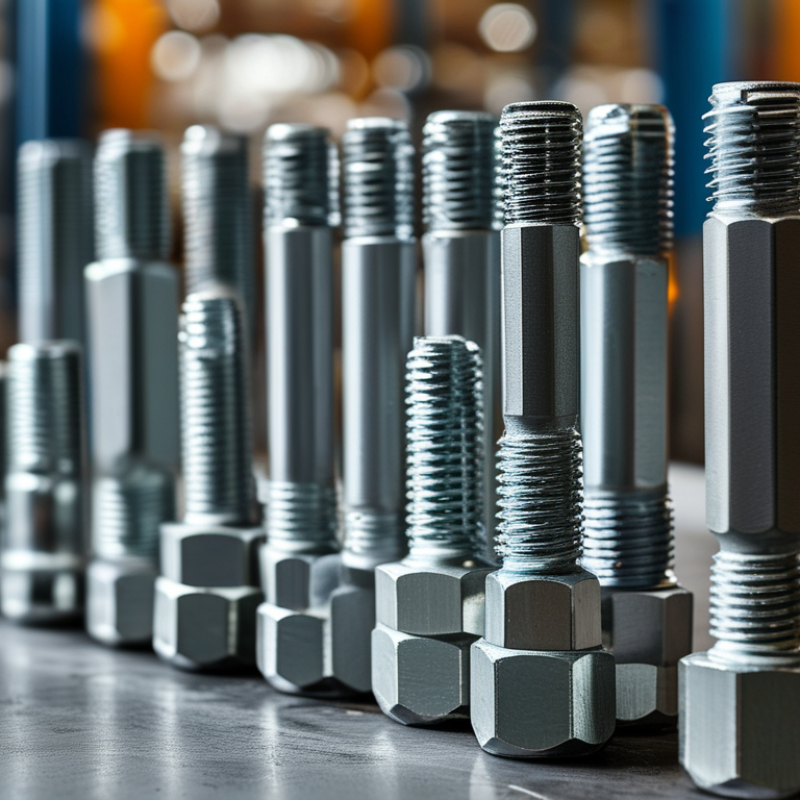
Hexagon bolts are crucial in various industries, including construction and automotive. These fasteners come in different types, such as standard hex flange bolts and hex head cap screws, each designed for specific applications. According to a recent industry report, the global hexagon bolt market is expected to grow at a compound annual growth rate (CAGR) of 5.6% from 2023 to 2030. This growth is driven by increased demand in infrastructure development and machinery.
Specifications of hexagon bolts often include factors like material grade, coating, and dimensions. Common materials include carbon steel and stainless steel, offering various tensile strengths. For instance, grade 8 hex bolts can have a tensile strength of up to 150,000 psi, suitable for heavy-duty applications. Furthermore, dimensions are typically measured in inches or millimeters, often following the ISO 4014 and ANSI standards.
However, the quality of hexagon bolts can vary significantly. Some manufacturers might not adhere to precision standards, which can lead to issues in critical applications. Inspecting the specifications against industry standards is essential. Ensuring proper sourcing and quality control can prevent unforeseen failures in projects, highlighting the need for informed procurement strategies.
When it comes to high-quality hexagon bolts, the materials used in their manufacturing play a crucial role. Carbon steel is a popular choice due to its strength and affordability. Additionally, stainless steel offers excellent corrosion resistance, making it suitable for demanding environments. These materials ensure durability and enhance the performance of the bolts in various applications.
However, the choice of material is not the only factor. The heat treatment process also significantly impacts the final product. Proper heat treatment can improve strength and toughness, while inadequate processing may lead to weak bolts. Manufacturers must invest in this critical step to ensure reliability.
Moreover, it’s essential to consider the surface finish. Some manufacturers may overlook this aspect, leading to issues like rust or premature wear. A quality finish protects the bolt and enhances its overall lifespan. Prospective buyers should be vigilant and assess manufacturing practices before procurement decisions. By focusing on these material factors, businesses can ensure they meet their global procurement needs effectively.
When sourcing hexagon bolts, global procurement strategies play a crucial role. It is essential to understand the materials and specifications required for your projects. This knowledge helps ensure durability and compliance with industry standards. Moreover, proper supplier evaluation is necessary. A reliable supplier can significantly impact production schedules and overall costs.
Countries vary in manufacturing capabilities. Some regions excel in specific materials, while others might offer more competitive prices. Collaborating with local suppliers can reduce shipping times. This strategy allows flexibility and quicker response times. Yet, navigating international trade regulations can be complex. Understanding tariffs and import duties is vital for cost-effective procurement.
Assessing quality standards is equally important. Not all manufacturers adhere to the same practices. It can lead to discrepancies in product quality. A comprehensive quality control process is necessary. Requesting samples before large orders is a practice worth considering. While this may add time, it helps avoid future issues in production. Continuous improvement in procurement processes can lead to more effective outcomes in the long run.
Hexagon bolts are essential components in various industries, from construction to manufacturing. Quality standards and certifications play a critical role in ensuring they perform reliably. These standards help define the materials and dimensions required for durability and strength.
One important standard is ISO 898-1, which outlines mechanical properties of bolts made of carbon steel and alloy steel. This certification ensures that the bolts can withstand high levels of stress. Additionally, the ASTM standard is widely recognized in the United States. It sets benchmarks for product quality and safety, crucial for industries that cannot compromise on structural integrity.
However, achieving these standards can be challenging. Not all suppliers comply consistently, which can lead to defects. Even with certifications, variability in production processes can affect overall quality. Buyers must engage in thorough inspections and tests to mitigate risks. While certifications provide a guideline, they do not guarantee perfection. Careful evaluation of suppliers and their practices can help bridge this gap in quality assurance.
When it comes to maintaining and using hexagon bolts, proper practices are crucial. Regular inspections can prevent costly failures. In 2021, the Global Fastener Industry Report suggested that over 40% of mechanical failures are related to fastener issues. This highlights the importance of vigilance and proactive maintenance.
Using the correct tools during installation is essential. Misuse can lead to stress fractures or improper torque. According to the International Organization for Standardization (ISO), applying the recommended torque ensures optimal performance. An estimated 25% of hexagon bolt breakages are due to incorrect installation techniques.
Storage is also vital. Humidity and temperature fluctuations can lead to rust and corrosion, reducing bolt integrity. A study by the Fastener Quality Act indicated that environmental factors affect over 30% of fastener durability issues. Regular maintenance schedules and appropriate environmental controls can make a difference. Not all organizations prioritize these factors, often leading to unexpected failures and costly downtime.
: They are essential in construction and manufacturing industries for various applications.
They define necessary materials and dimensions for durability and strength.
It outlines mechanical properties for bolts made of carbon steel and alloy steel.
They set benchmarks for quality and safety, crucial for structural integrity.
Inconsistent compliance can lead to defects and variable production processes.
Engaging in thorough inspections and evaluating suppliers is essential.
Incorrect techniques can lead to stress fractures and high breakage rates.
Environmental conditions like humidity and temperature fluctuations can cause corrosion.
Regular inspections can prevent costly failures related to fastener issues.
About 25% of breakages happen due to improper installation techniques.
Hexagon bolts are essential fasteners widely used across various industries, and understanding their types and specifications is crucial for effective procurement. High-quality hexagon bolts are typically manufactured from robust materials, ensuring durability and reliability in applications. Global procurement strategies play a significant role in sourcing these fasteners, allowing businesses to optimize their supply chains and reduce costs.
Additionally, adhering to quality standards and certifications is vital for ensuring that hexagon bolts meet industry requirements. Implementing best practices for maintaining and using hexagon bolts can enhance their performance and lifespan, ultimately leading to improved operational efficiency. By focusing on these aspects, companies can effectively meet their procurement needs for hexagon bolts while ensuring quality and reliability in their operations.

Dongshuo