When choosing the right locking washers, details matter. Locking washers are essential for maintaining tight connections in various applications. In 2026, the market offers many options. However, not all locking washers are created equal. Selecting the best one requires understanding your specific needs.
Consider the materials used in locking washers. Common options include steel, stainless steel, and plastic. Each material has unique properties that can affect performance. For example, stainless steel offers corrosion resistance. Yet, it may not be suitable for all environments. Therefore, weighing the pros and cons is vital.
Moreover, the design of locking washers can significantly impact their effectiveness. Some designs feature serrated edges, while others have conical shapes. These variations can lead to differing levels of grip under load. Evaluating these details is crucial for achieving reliability in any project. Make sure to review specifications carefully before finalizing your choice. The right decision now can prevent headaches later.
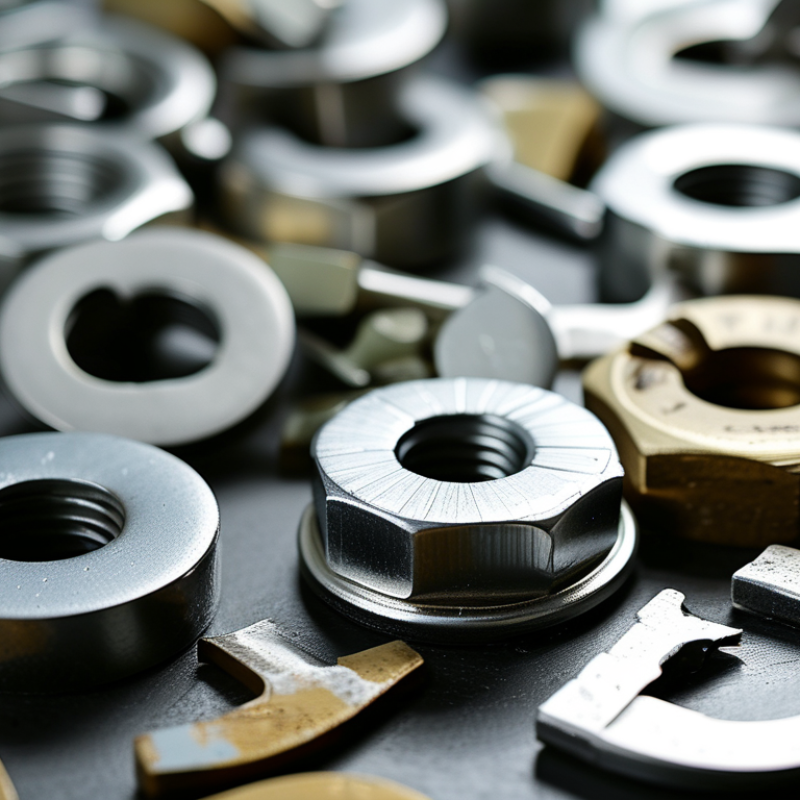
Top locking washers are essential components in various mechanical applications. They are designed to prevent loosening under vibration and load conditions. A well-chosen locking washer can significantly enhance the longevity and reliability of an assembly. Their unique shape and features create a locking mechanism that provides stability, ensuring that fasteners remain secure.
Many variables influence the choice of locking washers. Material, size, and load rating matter a lot. Common materials include steel and nylon, each offering different benefits. Steel washers are strong and durable, while nylon washers resist corrosion. Understanding the operational environment helps in selecting the appropriate washer type. For instance, high-heat applications may require specialized materials.
Despite their advantages, using locking washers isn't always straightforward. Misapplication can lead to significant issues. Incorrect sizing causes mechanical failure. Additionally, environmental factors like moisture can affect the performance of wooden or non-metal washers. Always verify the specifications before use. The right choice enhances safety and efficiency in projects. Knowledge and attention to detail are crucial in making the best selections.
When selecting top locking washers, understanding the various types available in 2026 is crucial.
Split lock washers are a common choice. Their design includes a split that grips the bolt during tightening, preventing loosening over time. This feature makes them reliable for high vibration applications. However, they might not always provide the best grip on softer materials.
Another option is the serrated lock washer. This type has teeth on its inner diameter that dig into the bolt and the surface. It creates a strong locking effect and works well in applications where security is a top priority. Yet, they can damage soft materials if not used carefully.
Lastly, there are flat lock washers. These are simple and effective, distributing load evenly. While they do not provide as much locking capability as other types, they can be a reliable choice when proper torque is applied. Consider your specific needs. The choice of locking washer depends heavily on the application and materials involved.
Always reflect on previous experiences to make informed decisions.
When selecting locking washers, several factors come into play. Material selection is critical. Different materials offer varying degrees of strength and corrosion resistance. Stainless steel washers resist rust, while nylon options provide excellent insulation. Understanding your environment is essential. Choose the right material based on exposure to moisture, chemicals, or extreme temperatures.
Design also matters. Locking washers come in various shapes. Star washers, flat washers, and split washers each serve unique purposes. For heavy loads, star washers provide more grip. Split washers are ideal for general applications. However, using the wrong type may lead to failures, so always match the washer design to your project needs.
Here are some tips: Before finalizing your choice, consider the load requirements. Analyze both the weight and vibration levels your assembly will experience. Testing is beneficial. Always test a few samples under real conditions before mass production. A simple mistake can lead to costly repairs later on. Do not overlook the importance of proper installation. Misalignment during assembly can compromise effectiveness. Pay attention to these details for better results.
When it comes to selecting the best locking washers for 2026, a comparative analysis is essential. Locking washers play a crucial role in maintaining tension and preventing loosening in fastened assemblies. They come in various designs, such as split, toothed, and wave. Each design serves a unique purpose, making it vital to understand their differences.
Split washers, for instance, are commonly used in machinery due to their ability to adapt to various surfaces. They provide consistent pressure and are easy to use. On the other hand, toothed washers offer superior grip. They bite into surfaces, preventing sliding and loosening. Wave washers provide a different solution; they allow for limited axial movement. This can be particularly helpful in applications needing some flexibility.
Choosing the right washer involves considering materials, size, and application requirements. Corrosive environments demand specific materials for durability. Making an informed choice can prevent future malfunctions. However, many users overlook critical factors, leading to suboptimal selections. The complexity in washer selection highlights the importance of thorough research. Balancing specifications with experience is essential for achieving the best results.
Choosing the right locking washer can significantly impact your project’s success. Installation is key. Ensure that you select the correct size for your application. A washer that’s too large or small won't hold effectively. Always examine the load type—static or dynamic. This helps determine the washer's material and design.
When installing, cleanliness matters. Dirt or debris can hinder performance. Always clean the surfaces beforehand. Pay close attention to the torque specifications. Over-tightening can lead to washer failure. Balancing is crucial; uneven distribution may lead to loosening over time.
Consider potential reusability. Some washers can lose their locking capability after one use. Think ahead and evaluate whether you might need the same part again. Utilizing the right tools can make installation smoother. Hand-tightening, or using a torque wrench, can ensure optimal pressure for a secure fit. Experiment with different methods to find what works best for your setup. Each project is unique.
: Split lock washers, serrated lock washers, and flat lock washers are commonly available.
They grip the bolt during tightening, preventing loosening over time.
Consider strength, corrosion resistance, and environmental exposure, like moisture or chemicals.
Their inner teeth dig into surfaces, creating a strong locking effect.
They distribute load evenly but offer less locking strength than others.
Size, cleanliness of surfaces, and proper torque specifications are crucial.
Misalignment can compromise effectiveness, leading to potential failures.
Yes, but some lose their locking ability after one use.
Always test a few samples under real conditions to check performance.
No, each project is unique, and testing different methods is important.
In 2026, selecting the right locking washers is crucial for ensuring secure connections in various applications. Understanding the unique features and benefits of locking washers is essential, as they provide resistance against loosening due to vibrations. There are several types of locking washers available, each suited for specific tasks, so recognizing these options is key to making an informed choice.
When choosing locking washers, factors such as material, design, and compatibility with other components should be considered. A comparative analysis of the best locking washers on the market can help identify top performers in terms of reliability and durability. Additionally, following proper installation tips is vital for achieving optimal performance from your locking washers, ensuring they function effectively and maintain tightness over time.

Dongshuo