When selecting the right expansion bolt for your project, understanding the specifics is crucial. Expansion bolts are essential in construction, offering secure fastening in concrete and masonry. A report by the International Fastener Expo revealed that over 30% of construction failures stem from improper fastening choices. This highlights the importance of choosing the right expansion bolt type, which can significantly impact the structural integrity of your work.
Different applications require various expansion bolt styles, such as wedge, sleeve, orToggle bolts. Each type serves distinct uses and possesses unique characteristics. For example, wedge anchors provide superior holding strength in solid concrete, making them a preferred choice for heavy loads. However, they may not be suitable for softer materials. Ensuring you select the right product involves more than just load capacity; environmental factors and installation methods come into play.
With so many options, it is easy to make an unwise choice. Many professionals overlook the fact that not all expansion bolts are created equally. Brands differ in quality and performance under stress. Relying solely on price can lead to costly mistakes. Making informed decisions requires a deeper understanding of the project requirements and the properties of each expansion bolt type.
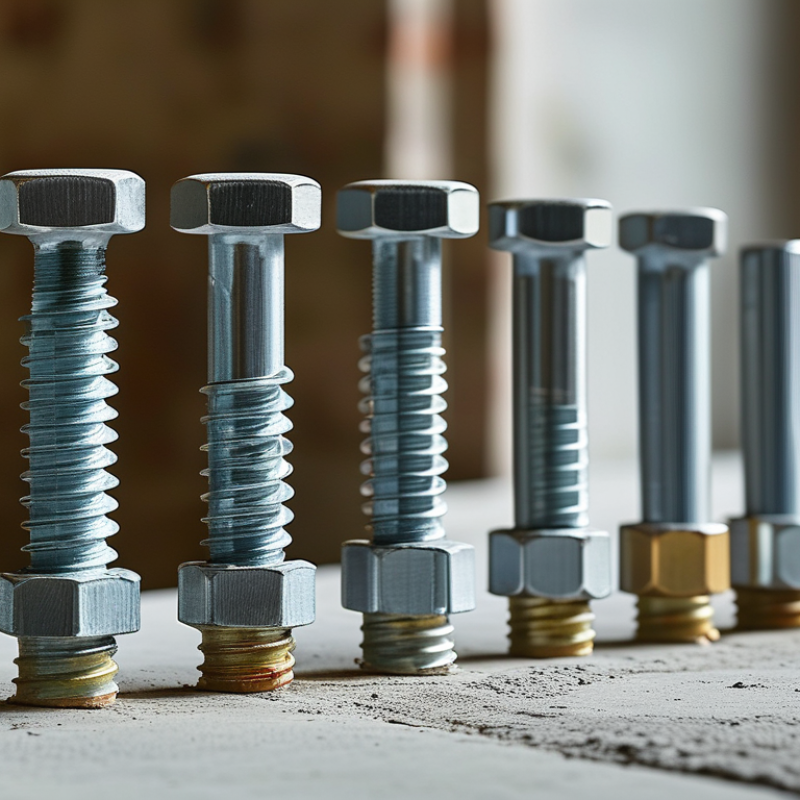
When selecting the right expansion bolt for your building project, understanding the various types available is crucial. Expansion bolts are widely used for anchoring objects to concrete and masonry. According to industry reports, there are three primary types: undercut, wedge, and sleeve expansion bolts. Each type serves distinct purposes and load requirements.
Undercut anchors provide superior holding power in dense materials. They are ideal for heavy-duty applications, as they lock securely into the base material. Wedge anchors are versatile and often used for both light and heavy loads. They feature a tapered design that expands against the side of the drilled hole. Sleeve anchors are perfect for medium loads and offer a simple installation in hollow or solid substrates.
Tip: Always match the bolt type with your project’s specific load requirements. Consider the strength of your base material. That can significantly affect performance. Moreover, consulting load capacity charts from reliable engineering sources can help in making informed decisions.
Understanding the installation procedure is equally important. Improper installation may lead to anchor failure. Regularly reviewing installation techniques and guidelines can improve project safety. Consult trusted industry publications for updates on best practices. Ultimately, ensuring that you choose the right expansion bolt is essential for structural integrity.
Choosing the right expansion bolt starts with evaluating load requirements. Understanding how much weight a bolt will support is crucial. For structural applications, engineers often reference the International Organization for Standardization (ISO) guidelines, which suggest varying load factors depending on the bolt's diameter and material.
An expansion bolt made from carbon steel may have a tensile strength of approximately 400 MPa. However, this strength varies with the bolt size and installation conditions. A small bolt might support 600 to 1,000 pounds, while larger ones can handle several tons. Misestimating these figures can lead to project failures. Load calculations must consider dynamic forces, not just static ones.
Environmental factors play a significant role in bolt selection. For outdoor applications, corrosion resistance is essential. In 2022, the American Society for Testing and Materials (ASTM) reported that over 30% of structural failures were due to improper bolting materials. This statistic emphasizes the need for diligent material assessment. Ignoring these details can lead to costly mistakes in both construction and maintenance.
When selecting an expansion bolt, understanding the environment and materials is crucial. Different substrates may require different types of expansion bolts. For instance, a concrete surface will need a specific kind of bolt compared to wood or metal. The density and texture of the material can change how well the bolt holds.
Consider the environmental factors. A project exposed to moisture may require corrosion-resistant materials. If the bolt is used in outdoor settings, it must withstand varying temperatures. Rust and wearing away can compromise safety and stability. It’s important to conduct thorough research on the materials involved.
Don’t overlook the importance of compatibility. Matching the expansion mechanism with the substrate is essential for effective performance. If there’s a mismatch, the bolt may not perform effectively. Reflecting on past mistakes can provide valuable insights. Adjustments can often lead to better choices in future projects.
Expansion bolts are essential for effective anchoring in various construction applications. Their installation can greatly influence the strength and reliability of a project. Proper techniques ensure that the bolts serve their purpose effectively.
When installing expansion bolts, use a suitable drill bit for accurate holes. The diameter should match the specifications of the bolt being used. This precision ensures that the bolt expands properly for maximum holding strength. According to industry reports, improper drilling accounts for nearly 25% of installation failures.
Tips: Always clean the hole of debris before inserting the bolt. This step enhances the bond between the bolt and the substrate.
Tightening the bolt adequately is crucial but can lead to over-torqueing issues. A common mistake is not using a torque wrench, which can lead to inconsistent installation quality. Achieving the correct torque level prevents the risk of bolt failure.
Tips: Consider using a torque wrench for accurate measurements. This practice is essential for ensuring that each bolt is installed to the right specifications.
| Bolt Type | Diameter (mm) | Length (mm) | Material | Load Capacity (kN) | Installation Technique |
|---|---|---|---|---|---|
| Standard Expansion Bolt | 10 | 50 | Steel | 10 | Hammer-in |
| Heavy Duty Expansion Bolt | 12 | 80 | Stainless Steel | 25 | Torque Wrench |
| Chemical Anchor Bolt | 16 | 100 | Galvanized Steel | 30 | Injection |
| Sleeve Anchor | 8 | 50 | Zinc-Plated Steel | 5 | Direct Drive |
| Drop-in Anchor | 10 | 60 | Aluminum | 15 | Hammer-in |
When selecting expansion bolts, several common mistakes can lead to project failures. A frequent error is ignoring the material of both the bolt and the substrate. For instance, using a steel bolt in concrete without considering corrosion can shorten lifespan significantly. According to industry reports, nearly 30% of contractors face failures due to inadequate material compatibility. This oversight can cost both time and resources.
Another common pitfall is miscalculating load requirements. A study by the American Society of Civil Engineers highlights that over 40% of expansion bolt failures occur from improper load calculations. It’s essential to assess dynamic versus static loads to ensure safety and reliability. Additionally, many overlook the importance of installation depth, which is crucial for maximizing holding strength. Insufficient depth can lead to immediate failure or decreased performance over time.
Also, it’s vital to consult reliable specifications and guidelines when choosing expansion bolts. Misinterpreting these documents is more common than one might think, and it often goes unaddressed. Make sure to review technical data sheets carefully and consider seeking expert advice to enhance your project's success. Ignoring these aspects may result in costly rework or even accidents on site.
: The primary types are undercut, wedge, and sleeve expansion bolts. Each type has different load capabilities.
Use undercut anchors for heavy-duty applications in dense materials. They provide superior holding power.
Wedge anchors are versatile and suitable for both light and heavy loads. Their tapered design enables solid anchoring.
Sleeve anchors are ideal for medium loads. They are easy to install in hollow or solid materials.
Improper installation could lead to anchor failure. It's vital to adhere to proper techniques and guidelines.
Always clean the hole of debris before installing the bolt. This improves bonding with the substrate.
The drill bit diameter must match the bolt specifications. Accurate holes enable proper expansion and holding strength.
Not using a torque wrench is a common mistake. It can result in inconsistent installation and risk of failure.
Always use a torque wrench for precision. This ensures the bolts are tightened to the recommended specifications.
Yes, over-torqueing can damage the installation. It's crucial to monitor torque levels during the process.
Choosing the right expansion bolt for your project is crucial for ensuring safety and structural integrity. Understanding the various types of expansion bolts available is the first step, as they differ in design and application. Consider the load requirements specific to your project, as this will influence the size and type of bolt needed. Additionally, evaluating the materials and environmental conditions, such as moisture or chemical exposure, is essential for selecting a bolt that will perform effectively in the given context.
Proper installation techniques are vital to guarantee the expansion bolt functions as intended. Following best practices during installation can enhance performance and longevity. Lastly, be aware of common mistakes to avoid, such as underestimating load capacity or neglecting to account for environmental factors. By adhering to these guidelines, you can make an informed choice that will contribute to the success of your building project.

Dongshuo