Choosing the right concrete anchor is essential for any construction project. The integrity of a structure often hinges on the strength of its anchor points. With various types available, from expansion anchors to adhesive options, selecting the best concrete anchor can be daunting.
A reliable concrete anchor ensures safety and stability. For instance, using a wedge anchor for heavy loads provides robust support. However, improper installation can lead to failure. Understanding the specific needs of your application is crucial. Pay attention to factors like load capacity and environmental conditions.
The right concrete anchor not only improves durability but also simplifies future modifications. There's a difference between short-term and long-term solutions. Choosing wisely can save time and resources in the long run. As you explore options, consider both expert guidance and personal experience to make an informed decision.
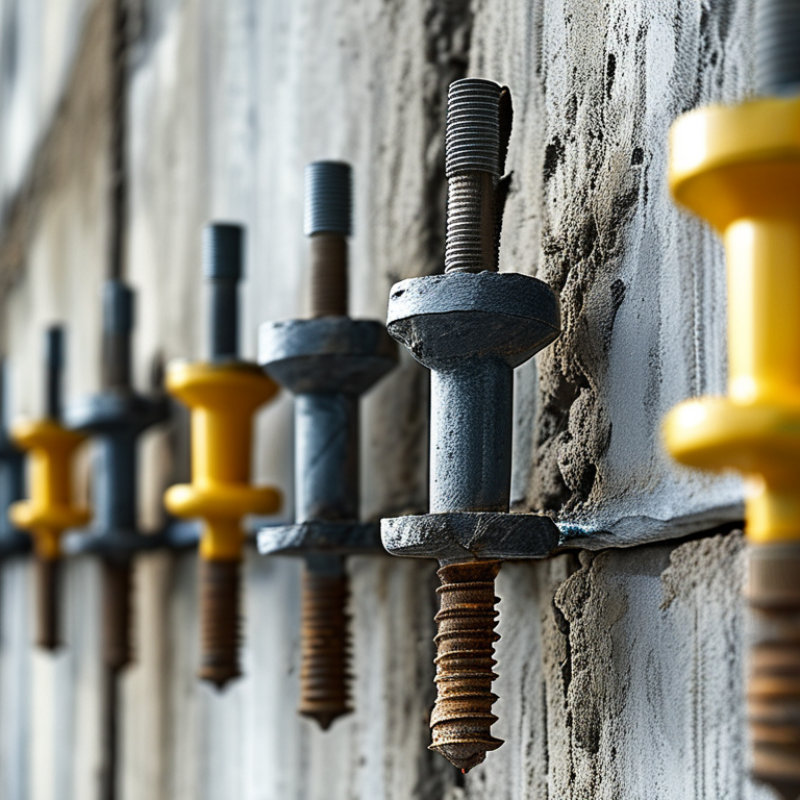
Concrete anchors are essential for secure fixing solutions in various applications. They provide structural integrity for everything from shelving units to heavy machinery. Understanding the types of anchors available can significantly impact your project’s success.
There are several types of concrete anchors. Expansion anchors use a wedge mechanism. They expand inside the concrete when tightened, creating a strong hold. This type is ideal for medium-weight items. On the other hand, epoxy anchors are used for heavy-duty applications. They require a special adhesive that bonds with the concrete. These anchors offer exceptional strength and durability, especially in areas subject to vibrations.
Tips for selecting the right anchor include checking the load requirements. Each anchor type has different load capacities. Overestimating can lead to failures. Proper installation is critical. Misalignment or under-tightening can compromise the anchor's effectiveness. Always follow manufacturer guidelines for optimal results.
Consider also the conditions of your environment. Moisture can weaken some anchors. In outdoor settings, select anchors specifically designed to withstand weather conditions. A little research can go a long way in ensuring your fixings are secure and reliable.
When choosing concrete anchors, it’s essential to consider several factors. The weight of the items to be secured plays a critical role. Heavier objects require anchors that can handle greater loads without compromising safety. Testing the anchors under real conditions is often overlooked but vital for ensuring reliability.
Material type is another key consideration. Different concrete types may need specific anchor materials for optimal performance. Professionals often recommend using stainless steel in corrosive environments. Additionally, the installation method can vary significantly. Some anchors require drilling into the concrete, while others expand as they are driven in.
Assessing the environment is equally important. Outdoor settings may expose anchors to moisture, requiring added rust resistance. Not all anchors handle temperature fluctuations well. Reflecting on these aspects leads to better outcomes. Without a thorough assessment, even the best products may fail. Therefore, attention to detail during the selection process is crucial for security and peace of mind.
When it comes to installing concrete anchors, proper technique is crucial. Different types of anchors, such as wedge anchors, sleeve anchors, and epoxy anchors, have unique installation requirements. Wedge anchors work well for heavy-duty applications. They expand inside the concrete, providing a strong hold. Use a hammer drill to make a specific hole depth. Then, insert the anchor and tighten the nut. This process requires precise alignment.
Sleeve anchors are versatile and easier to install. They can work in hollow and solid concrete. First, drill the appropriate hole size. Ensure dust is cleared to enhance grip. Insert the sleeve anchor and tighten the nut. Observe how it engages with the concrete. Finally, epoxy anchors require preparation of a clean hole for the epoxy. Mix the resin thoroughly before application. Fill the hole with the mixture, insert the anchor, and allow it to cure. This anchor type offers strong resistance.
Though these methods appear straightforward, installation can be tricky. Issues like misalignment or insufficient curing time can occur. Always check local guidelines and consider concrete integrity. Understanding the nuances of each type enriches expertise. Reflecting on past projects helps improve future installation success.
When using concrete anchors, it's easy to overlook essential details. Many users make critical errors that lead to weak installations. One common mistake is not drilling the correct hole size. If the hole is too large or too small, the anchor won't hold securely. Always refer to the anchor’s specifications for precise measurements.
Another frequent issue is insufficient cleaning of the drilled hole. Dust and debris can prevent proper adhesion. Ensure you use a blower or vacuum to clean the hole thoroughly. This small step can significantly improve the anchoring strength.
Here are some tips for effective use of concrete anchors. Always check for reinforcement bars before drilling. These can make your project more complicated if disturbed. Additionally, consider the loading requirements of your project. Not all anchors perform well under the same conditions. Choose wisely based on the weight and stress factors involved. Taking time to ensure accuracy can prevent many future frustrations.
| Type of Anchor | Load Capacity (lbs) | Recommended Use | Common Mistakes |
|---|---|---|---|
| Expansion Anchor | 1,000 | Heavy-duty fixtures | Not pre-drilling adequately |
| Sleeve Anchor | 1,200 | Attachments to concrete | Using incorrect hole diameter |
| Wedge Anchor | 2,500 | Structural applications | Over-tightening |
| Tapcon Screw | 400 | Light-duty fastening | Not using the right drill bit |
| Concrete Screw Anchor | 500 | General fastening | Insufficient hole depth |
When it comes to securing objects to concrete, using the right anchors is crucial. Maintenance and safety are often overlooked but can affect overall performance. Regular inspections can prevent accidents. Check for rust or damage on the anchor points. A simple visual inspection can save time and resources.
Proper installation techniques also play a significant role. Make sure to follow guidelines about drill depth and spacing. Incorrect installation can lead to failure. Verify that the anchor is rated for the weight it must support. It’s essential to avoid overloading, as this can compromise safety. Remember, inexperienced users might overlook small details, which could lead to larger issues.
Using high-quality materials is vital. Subpar anchors can corrode quickly and fail unexpectedly. Keep a record of when installations occur. This helps track their lifespan and performance. Consider the surrounding environment, as moisture levels can impact anchor integrity. Reflect on these elements during your projects for better outcomes.
: Consider the weight of the items you want to secure. Heavier items need stronger anchors.
Outdoor environments may expose anchors to moisture. Look for rust-resistant materials in such situations.
Testing ensures reliability. Even the best products can fail without proper evaluation.
One mistake is drilling the wrong hole size. Always refer to specifications for accurate measurements.
Check for reinforcement bars. This can complicate your project if disturbed.
Dust and debris can weaken adhesion. Use a blower or vacuum to clean the hole thoroughly.
No, different concrete types may require specific anchor materials. Choose carefully for optimal performance.
Some anchors require drilling, while others expand as they are driven in. Know your method.
Not all anchors handle temperature changes well. Assess this factor for a secure installation.
Without careful assessment, even good products may fail. Safety is paramount, so double-check everything.
Concrete anchors are essential tools for securing fixtures in concrete surfaces, with various types available for different applications, including wedge anchors, sleeve anchors, and toggle bolts. When selecting a concrete anchor, it's crucial to consider factors such as load capacity, environmental conditions, and the thickness of the concrete.
The installation process varies depending on the type of anchor used, requiring careful attention to drilling techniques and depth. Common mistakes, like improper hole sizing and inadequate cleaning of the holes, can compromise the anchor's effectiveness. To ensure long-term performance, regular maintenance and adherence to safety guidelines are recommended. Proper understanding and application of these aspects can lead to a secure fixing solution for any construction or renovation project involving concrete anchors.

Dongshuo